
Walk into any office, café, manufacturing unit, or health facility, and there’s one thing working quietly behind the scenes: water. It cools, brews, sterilizes, hydrates, and sometimes even defines the very quality of a product or service. Yet, it’s often overlooked—until the day something goes wrong. A funky taste, a health complaint, rust in the pipes, or maybe just rising maintenance bills. Suddenly, water quality jumps to the top of the priority list.
And honestly, it should’ve been there all along.
The Water We Assume Is “Fine” Might Not Be
Here’s the tricky part: tap water might pass basic checks, but that doesn’t mean it’s ideal for your business. Municipal water systems are built for general use, not the fine-tuned needs of a facility or workspace. From restaurants to biotech labs, real-world operations have specific thresholds—especially when sensitive equipment or customer health is involved.
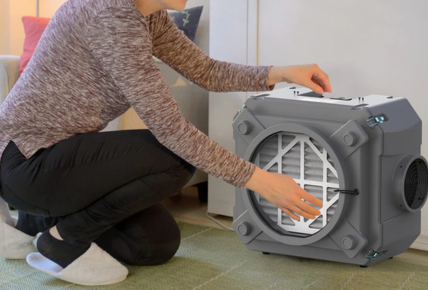
One issue that’s increasingly on the radar? Volatile organic compounds reduction. VOCs—like benzene, toluene, or formaldehyde—can creep into water from industrial runoff, old pipes, or even cleaning solvents. They’re invisible, often odourless, and definitely not something you want in your water supply. Reducing VOCs isn’t just smart—it’s often necessary for safety and compliance, especially in places where water meets human contact or delicate processes.
You Can’t Grow What You Don’t Know
Many businesses only react to water issues once the effects show up—coffee tastes weird, machinery corrodes, glassware turns cloudy, or staff complains about skin irritation. But by then, it’s already hurting your brand, productivity, or bottom line.
This is where a proactive mindset helps. The businesses that treat water like a performance factor—rather than an afterthought—often see fewer disruptions, happier customers, and lower long-term costs. It’s not about panic or paranoia; it’s about being tuned in.
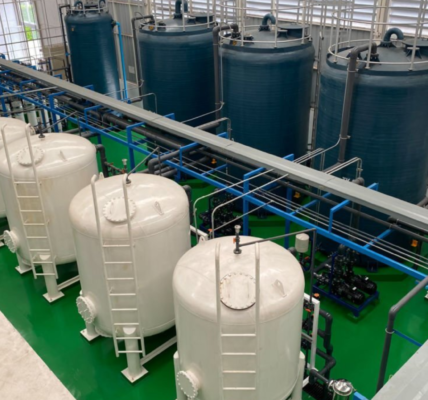
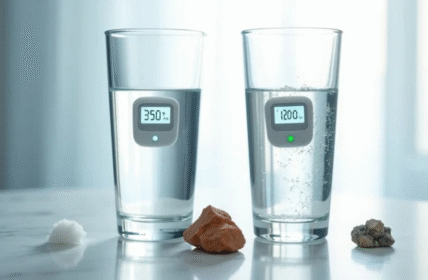
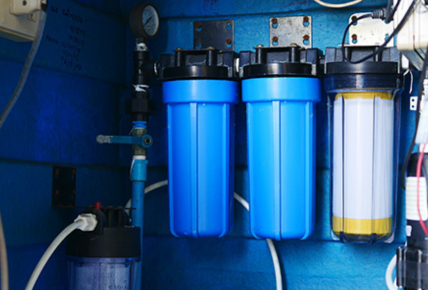
Modern business water quality solutions offer tailored strategies for different industries. Whether you need hardness control in a commercial laundry, sediment removal in a brewery, or chloramine filtering for a dental office, there’s no “one size fits all” anymore. The smart approach is bespoke: testing, planning, and installing the right system for your exact water use.
Not Just Clean—Consistently Clean
Think about it. One bad batch of water might go unnoticed. But inconsistent quality? That’s a reputation killer.
Imagine serving high-end tea in a boutique café—and one day the water smells metallic. Or running a laser-cutting shop, only to find the equipment gunked up because the water’s mineral profile changed midweek. Your water shouldn’t be moody. It should perform with the same reliability as your team.
That’s where automated treatment systems shine. These setups aren’t just passive filters. They often include real-time sensors, alerts, and even remote monitoring. They adapt. They notify. They self-clean. For busy teams trying to juggle five other things, that’s a relief.
When Regulations Knock, Be Ready
Let’s be honest—regulations can feel like a pain. Health codes, OSHA requirements, environmental impact assessments—they all have a say in how your facility operates. But with water? You don’t want to cut corners.
In some industries, water-related fines aren’t just a slap on the wrist—they’re reputation-damaging or even license-threatening. Proactive facility water treatment helps keep you on the safe side of inspections, while also giving you peace of mind.
It’s not just about legality, either. Staff notice when water is off. Customers comment. Inspectors check. Everyone’s paying more attention these days—and rightly so. Water isn’t just functional; it’s symbolic. Clean water signals professionalism, responsibility, and care.
Better Water = Longer-Lasting Gear
Here’s something every facility manager eventually learns: poor water = equipment killer. Mineral buildup, corrosion, bacteria in water lines—they don’t just cause inconvenience. They destroy valuable infrastructure.
Coffee machines clog. Dishwashers break down. Cooling systems lose efficiency. Even HVAC systems can suffer from poor water chemistry. All that adds up—fast.
When you treat your water right, your equipment lasts longer. Service calls drop. Downtime shrinks. That’s money back in your pocket, and fewer late-night maintenance emergencies to worry about.
The Employee (and Customer) Experience Counts Too
There’s also something to be said for comfort. Staff who drink, wash, or clean with hard, off-tasting water aren’t exactly getting the five-star experience. And if customers notice it—especially in industries like hospitality, salons, or food service—you could lose repeat business.
Cleaner water equals better impressions. Whether it’s the sparkle on glassware, the softness of linens, or the simple act of offering good-tasting drinking water—it all contributes to how people feel about your business.
So… Where Do You Start?
First, don’t guess. Start with a professional water test. It’ll reveal what’s really in your pipes—good and bad.
Then, sit down with a commercial water expert. Not a general plumber, but someone who understands how to tailor systems to your industry and needs. Maybe your main issue is chlorine taste. Maybe it’s limescale. Maybe it’s lead. Whatever it is, there’s a fix. And once it’s set up, maintaining it often takes less time than you think.
Just remember: you’re not just investing in cleaner water. You’re investing in smoother operations, happier teams, better products, and fewer surprises.
Final Thoughts: Water as a Business Strategy
At the heart of it all, water is more than just a utility. It’s an essential partner in your business—affecting performance, compliance, costs, and experience.
Whether it’s volatile organic compounds reduction for health and safety, business water quality solutions tailored to your daily operations, or comprehensive facility water treatment that keeps everything running smooth behind the scenes—better water means a better business.