Water You Waiting For? Why Commercial Spaces Need Better Filtration, Fountains, and Ice Systems

Let’s take a walk through a typical commercial building—maybe an office, maybe a hotel, maybe even a hospital. Now, count how many times water shows up in the experience. From the lobby fountain to the kitchen, the restrooms, the cafeteria, and even the breakroom’s humble ice machine—water quietly supports comfort, cleanliness, and credibility.
But here’s the kicker: most people don’t think about what’s flowing through the pipes until there’s a weird taste, a filter light blinking, or a maintenance bill that makes your eyes twitch.
That’s why water quality—especially in high-traffic commercial environments—isn’t just a box to check. It’s a silent partner in the reputation your brand builds daily.
First Impressions Come With a Splash
Walk into a sleek corporate lobby or a university hallway and what’s the first thing you hear? Trickling water.
Commercial water fountains don’t just quench thirst—they shape perception. A clean, well-maintained fountain signals care. It shows you’re thoughtful about health and sustainability (especially if it’s one of those modern bottle-fill stations). But if the water tastes metallic, trickles slowly, or worse—smells weird? That impression’s ruined.
High-quality filtration in fountains makes all the difference. And in today’s green-conscious world, touchless, bottle-filling stations with built-in filters are more than a perk—they’re expected.
Behind the Scenes in the Commercial Kitchen
Now, head into a hotel or hospital kitchen. Or a restaurant’s bustling prep area. Water is everywhere—washing veggies, boiling pasta, steaming rice, rinsing dishes.
If that water isn’t clean? Everything suffers. Food loses quality. Dishes don’t sparkle. Appliances scale up and break down. Chefs get frustrated.
That’s why commercial kitchen filtration isn’t just a maintenance item—it’s a core part of delivering consistent, high-quality meals. It protects equipment, preserves taste, and reduces downtime. Plus, when inspectors come knocking, clean water means fewer questions and more peace of mind.
Think of it as the sous-chef no one talks about, but everyone relies on.
The Ice Trap You Didn’t See Coming
Now let’s move to the breakroom or beverage station. The ice machine hums along, quietly delivering a mountain of cubes each day. Cold sodas, cocktails, smoothies—they all rely on it.
But here’s what most people miss: ice is food. It gets consumed, just like soup or salad. And if your ice machine isn’t filtered, you’re basically offering customers and employees frozen tap water—with all its impurities, chlorine, and sediment.
Nobody likes cloudy, funky-tasting cubes. And that’s exactly what happens when commercial ice machine filtration is neglected.
Proper filtration keeps ice crystal-clear, clean-tasting, and safe. It also prevents scaling that can destroy the machine from the inside out. It’s a small investment with massive returns in reliability and customer satisfaction.
Real Talk: Filtered Water Is Not a Luxury
Sure, some folks may argue, “We’re on municipal water—it’s already treated.” And technically, they’re right. Municipal water is regulated, disinfected, and monitored.
But it’s not tailored for your building, your pipes, or your usage.
Municipal water may still carry:
- Chlorine (used for disinfection, but terrible for taste and smell)
- Sediment and rust from aging infrastructure
- Hard water minerals that scale up equipment
- Microplastics or trace contaminants that sneak through treatment plants
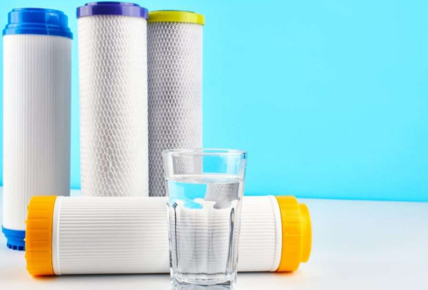
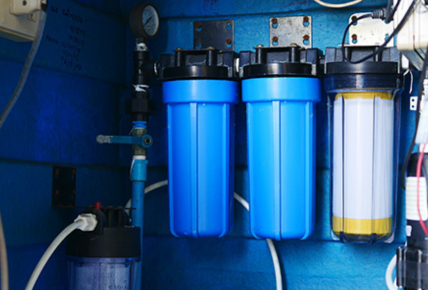
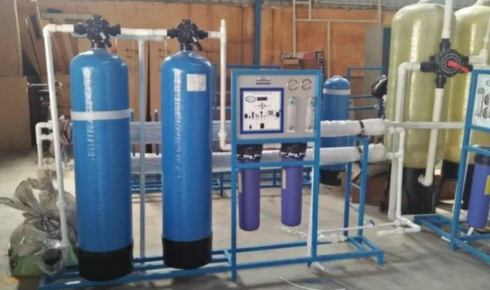
Filtration systems are your building’s second line of defense. They bridge the gap between “acceptable” and “exceptional.”
The Long-Term Payoff You Didn’t Budget For
Water filtration isn’t just about what you’re putting in cups or pitchers. It protects every appliance that uses water: coffee makers, dishwashers, steamers, boilers, and even HVAC systems with water-fed humidifiers.
By investing in the right systems, you reduce:
- Equipment failure rates
- Energy costs (scale build-up makes machines work harder)
- Maintenance calls
- Product waste (like tossed coffee or returned food)
So while it may not feel urgent today, poor water quality slowly eats away at your bottom line.
Maintenance Is the Dealbreaker
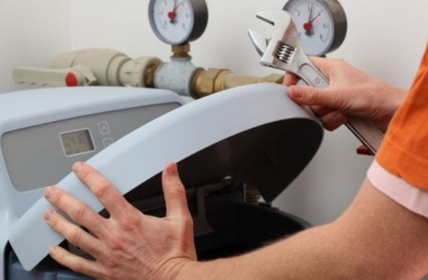
Let’s be honest—installing a filtration system is only half the battle. If you don’t change filters regularly or monitor water pressure and flow, you’re flying blind.
That’s why it’s smart to schedule routine maintenance. Or better yet, choose smart systems that alert you when a filter’s spent.
Don’t leave your kitchen or ice machine in a slow spiral toward inefficiency. Respect the system, and it’ll respect your workflow.
The Human Side of Clean Water
Here’s what it really boils down to: people notice.
Whether it’s the parent filling a child’s bottle at a drinking station, the hotel guest sipping ice water in bed, or the barista tasting the difference in espresso—they know when the water’s right.
They may not say anything when it’s perfect. But they’ll definitely remember when it’s not.
In business, that quiet approval is gold. It’s the kind of trust that builds brands, drives repeat visits, and keeps complaints off the table.
Wrapping Up: Be the Business That Cares Enough
In the grand scheme of operations, water systems don’t always feel flashy. They don’t show up in marketing decks or Instagram posts. But they’re felt in every sip, every dish, every clink of ice in a glass.
So be the business that cares enough to make the invisible better.
Filter your water. Keep your fountains fresh. Give your kitchen and ice machine the support they need. And in doing so, quietly raise the bar for what people expect—without ever saying a word.