
Most of us don’t think about our water until something feels off. Maybe your coffee tastes a little metallic. Maybe you’re scrubbing white buildup off the shower door again. Or maybe you’ve just moved into a new home and you’re wondering what exactly is flowing through those pipes.
The instinct is usually to start shopping—filters, softeners, reverse osmosis systems, something that promises cleaner, clearer water. But here’s the thing: buying treatment equipment before understanding your water is a bit like taking medicine without a diagnosis.
It might help. Or it might miss the real issue entirely.
That’s why the real starting point is simpler than most people expect: test first.
Why Guessing Doesn’t Work
Water varies more than we realize. Even homes on the same street can experience different conditions due to plumbing age, pressure differences, or minor shifts in supply lines.
You might assume you have hard water because of spots on dishes. But sometimes that cloudiness comes from detergent residue. You might blame chlorine for a strange taste when it’s actually mineral imbalance.
Without actual data, you’re operating on assumptions.
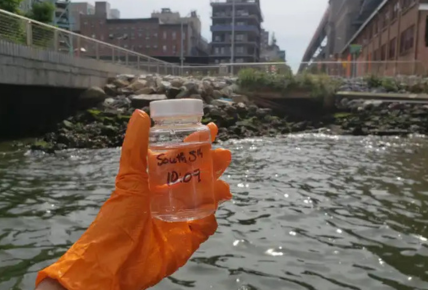
That’s where water testing and analysis becomes invaluable. A proper test measures specific characteristics—mineral content, pH levels, sediment presence, even potential contaminants. It removes the guesswork and replaces it with clarity.
And clarity makes decisions easier.
The Role of Hardness
Hard water is one of the most common complaints homeowners have. Calcium and magnesium naturally occur in many groundwater sources, and while they aren’t dangerous to consume, they can cause scale buildup in pipes and appliances.
If you’re noticing white crust around faucets or your soap doesn’t lather well, it might be time for hardness testing. This type of testing measures the concentration of those minerals, usually reported in grains per gallon.
Generally speaking, water above 7 grains per gallon is considered moderately hard. Above 10, scale buildup becomes more noticeable.
Knowing your hardness level helps determine whether a softener is truly necessary—or if the issue is mild enough to live with comfortably.
It’s a practical step that can save you from installing equipment you don’t need.
Understanding pH and Balance
Water isn’t just about minerals. Its acidity or alkalinity also matters.
ph testing measures how acidic or alkaline your water is on a scale from 0 to 14. A pH around 7 is considered neutral. Lower values indicate acidity; higher values signal alkalinity.
Why does this matter? Acidic water can corrode plumbing over time, potentially leaching metals into your supply. Highly alkaline water may contribute to scaling issues.
Testing pH gives you insight into long-term plumbing health and helps guide appropriate treatment choices if adjustments are necessary.
Again, knowledge replaces guesswork.
Municipal vs. Well Water
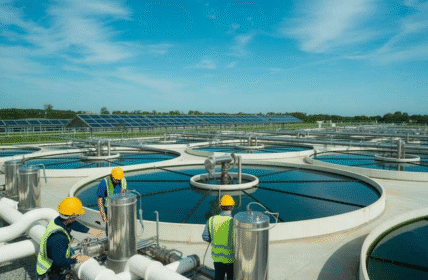
If you rely on municipal water, your provider likely publishes an annual water quality report. It’s a helpful baseline, but keep in mind that it reflects water at the treatment plant—not necessarily at your tap.
Private well owners carry even more responsibility. Seasonal shifts, rainfall, and nearby agricultural activity can all affect well water quality.
Regular testing, especially for well systems, is more than recommended—it’s wise. It ensures that changes are caught early rather than after symptoms appear.
The Emotional Side of Testing
There’s something reassuring about having numbers in front of you. It transforms uncertainty into understanding.
Instead of wondering whether your water “seems fine,” you know where it stands. Instead of installing the most expensive filtration system out of caution, you choose a solution that fits your actual needs.
That sense of control matters. Water flows through every part of your day—cooking, cleaning, bathing. Feeling confident about its quality creates peace of mind.
How Often Should You Test?
For municipal users, testing every one to two years is typically sufficient unless you notice changes in taste, color, or odor.
For well water, annual testing is often recommended. If you experience flooding, plumbing repairs, or changes in nearby land use, additional testing may be wise.
Consistency keeps surprises at bay.
Choosing the Right Next Step
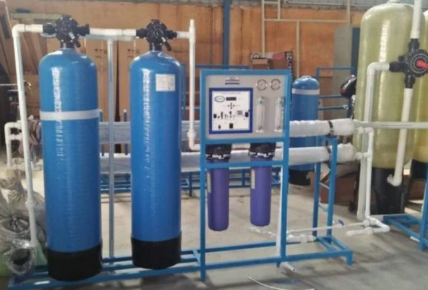
Once you have test results, decisions feel less overwhelming. Hard water? A softener might help. Elevated chlorine taste? Carbon filtration could be enough. Acidic water? Neutralizing systems may be necessary.
The key is alignment—matching treatment to actual findings.
It’s tempting to chase the newest technology or the system with the longest feature list. But effective water improvement is usually about solving specific problems, not collecting equipment.
Final Thoughts
Water testing isn’t flashy. It doesn’t transform your kitchen overnight. But it’s the foundation of smart decision-making.
By understanding your water’s hardness, pH balance, and overall composition, you equip yourself with the knowledge needed to choose wisely.
And in a world full of quick fixes and bold marketing claims, sometimes the smartest move is the simplest one: measure first.
Because when you know what’s in your water, you stop guessing—and start improving with confidence.