Breathe Easy at Home: How Clean Air Starts With the Right Tech and Everyday Habits

There’s something deeply comforting about walking into your home after a long day—the soft lighting, the quiet hum of appliances, the familiar smell of your space. But how often do we stop and wonder what’s in that air we breathe so freely?
Modern homes, though cozy, are surprisingly good at trapping airborne contaminants—dust, pollen, pet dander, and even volatile organic compounds (VOCs) from cleaning products and furniture. And for those with allergies, asthma, or even just a lingering cough, the air inside your house could be quietly making things worse.
Let’s explore how to reclaim your home’s air quality with a combination of smart tech, expert advice, and a few surprisingly simple habits.
The Hidden Battle Happening in Your Living Room
You can’t always see poor air quality, but your body notices—dry throat, itchy eyes, sneezing fits, and that sluggish “just can’t focus” kind of fatigue. And while outdoor pollution gets all the attention, studies show that indoor air can be 2 to 5 times more polluted. Wild, right?
What’s causing it? Well, it’s a cocktail of things: dust mites living in soft furnishings, mold spores creeping in damp corners, off-gassing from synthetic materials, and even particles released when you cook, burn candles, or just… live your life.
Enter the Unsung Hero: Air Scrubbers
If you’re thinking, “Air scrubbers sound like something from a sci-fi movie,” you’re not alone. But these devices are very real—and very effective.
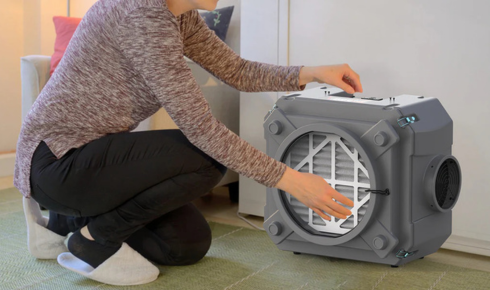
An air scrubber installation isn’t just another fancy filter. These systems actively work with your HVAC unit, using light waves and catalytic processes to neutralize contaminants, not just trap them. Think of it as next-level purification that gets to the stuff even HEPA filters can’t touch.
Many modern air scrubbers also reduce odors, kill airborne bacteria, and even help surfaces stay cleaner for longer. It’s like giving your entire home a shield against pollutants—and who wouldn’t want that kind of backup?
Daily Habits That Support a Healthier Home
Technology aside, clean air also starts with how you live in your space. Don’t underestimate the power of routine.
- Vacuum more often than you think you need to. Especially if you have pets. Use a vacuum with a HEPA filter.
- Crack the windows open. Even 10 minutes of fresh air can significantly dilute pollutants.
- Go green with houseplants. Not all plants are miracle workers, but peace lilies, snake plants, and spider plants can help improve air quality naturally.
- Ditch synthetic air fresheners. Opt for essential oil diffusers or just… open a lemon.
- Control humidity. Moist air = mold. Use dehumidifiers in damp areas and ventilate bathrooms after showers.
These are the kind of home health tips that make a difference—not overnight, but steadily, and noticeably.
What the Experts Know (That Most People Don’t)
One thing that surprised me while talking to indoor air specialists: most homeowners wait until they feel something wrong before taking action.
By then, you’re already reacting to the problem instead of preventing it.
Expert advice in this area is simple but powerful. Invest early. If your HVAC system is more than 5–7 years old, consider an indoor air audit. A technician can check not only the filtration system but also identify hidden culprits like mold behind walls or leaks in air ducts.
Also, beware of cheap plug-in purifiers that promise miracles but barely cover a 100-square-foot area. Scale matters. A good technician can recommend the right system based on square footage, allergy concerns, and whether you have kids or pets.
Real Talk: Is It Worth the Investment?
Installing an air scrubber isn’t the cheapest upgrade you’ll make. Depending on the system and setup, it could run anywhere between $500 to $2000 including labor. That might feel steep… until you consider what you spend monthly on medications, allergy remedies, or even just replacing that mysteriously recurring sinus infection.
Plus, better air doesn’t just help you breathe easier—it protects your HVAC system by keeping it cleaner, extends the life of your filters, and can even help reduce utility bills by improving overall efficiency.
And if you’re planning to sell your home in a few years? Health-conscious upgrades like these are starting to catch buyers’ eyes.
Personal Story Time (Because This Got Real Fast)
I’ll be honest: I didn’t think much about air quality until I moved into a rental that looked spotless but left me sneezing all the time. After ruling out allergies and trying every air freshener on the market, I learned the hard way—it wasn’t the smell. It was the air itself.
That led me to invest in an air scrubber (with a technician’s help), and within two weeks? No more sneezing. No more groggy mornings. And even my dog seemed to nap more peacefully.
Final Thoughts: Clean Air Is the New Self-Care
Look, it’s easy to get caught up in the big stuff—diet, workouts, meditation. But what if the biggest upgrade to your wellness was something invisible?
Improving indoor air quality isn’t glamorous. It won’t show up in selfies. But it will show up in better sleep, fewer headaches, and that subtle sense that your home just feels… fresher.
So whether you’re ready to go all-in with air scrubber installation or you’re just cracking a window and watering a spider plant today, you’re doing something good. For your lungs. For your family. And for that quiet, invisible world swirling all around you.