
It’s funny how you can walk into a coffee shop or fast food joint, plug in your laptop, scroll through your phone, and never once think about the electricity that makes it all work. Lights, espresso machines, Wi-Fi routers, ovens, digital menu boards—every one of them powered, wired, and carefully coordinated by people you probably never see.
But behind every switch you flip and every outlet you use, there’s a story. And it’s not always as straightforward as you might think.
Brewing Consistency: Electrical Precision in Coffee Culture
Let’s talk about your favorite caffeine stop for a second. Not the big glamorous flagship locations, but the everyday kind—the one you stop by during your morning commute, the one with the friendly barista who remembers your name.
These spots need to run like clockwork. The espresso machines draw serious power. Fridges keep perishable items cold. The ambiance, that warm glow with indie acoustic tunes in the background? All of it hinges on sound electrical design.
Take Starbucks Fort Walton Beach. The location may seem simple, but the electrical planning behind it had to balance aesthetic lighting, HVAC, food prep equipment, customer charging stations, and automated security—all in a relatively small footprint. And it has to be repeatable. That’s the thing about franchises: every location has to feel familiar. Consistent. Even if it’s in a completely different city.
And let’s be honest—nobody wants their favorite latte delayed because of a tripped breaker.
Where Pizza Meets Power: The Fast-Food Electrical Makeover
Now, swing the lens to another common destination—Pizza Hut. These remodels are something else. It’s not just about giving the place a facelift; it’s a full-on upgrade, especially when it comes to electrical work. Old wiring? Gone. Outdated fixtures? Replaced. The goal is to modernize, optimize, and energize the space for both staff and customers.
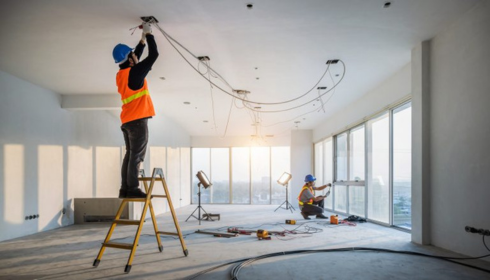
A recent Pizza Hut electrical remodel wasn’t just a refresh. It involved bringing the kitchen up to code, installing energy-efficient lighting, updating POS systems, and ensuring everything ran off a new, smarter panel. And all of this had to happen fast, because time is money in the fast food business.
One of the trickiest parts? Coordinating with all the other crews—flooring, paint, HVAC—while staying on a tight timeline. Electrical work often ends up being the last piece before opening day. No pressure, right?
From Donuts to Details: Small Town Remodels With Big Expectations
Now let’s head north a bit—to Crestview.
You’d think a remodel in a smaller town would be easier. Fewer people, fewer permits, maybe a slower pace. But you’d be wrong. These projects come with their own set of hurdles—tight community standards, older infrastructure, and expectations that are just as high as any urban franchise.
The Dunkin Donuts Crestview remodel brought all of that into focus. This wasn’t just a case of replacing light fixtures. It was a full rethinking of the electrical flow. Everything had to be efficient, safe, and, above all, future-ready. Think EV charging stations, smart thermostats, and systems that can support digital upgrades for years to come.
And here’s the kicker—these remodels often have to happen while the location stays partially open. Which means working around customers, minimizing disruptions, and doing a lot of the heavy lifting at night. It’s gritty work, but it’s also where the craft really shines.
It’s Not Just About Wires—It’s About Trust
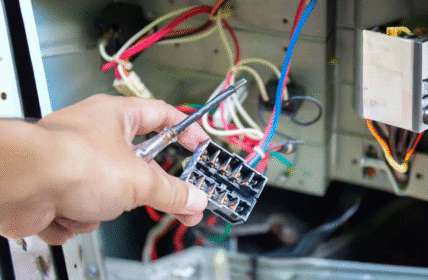
People think electricians just deal with wires, but really, it’s about trust. Businesses hand over their keys. Property managers hand over tight schedules. And in that window, electricians are expected to transform a space into something functional, compliant, and dependable.
That trust isn’t earned overnight. It comes from years of showing up on time, solving unexpected problems, and knowing your codebook like the back of your hand.
And sure, there are blueprints and diagrams—but anyone who’s worked a job site knows the real plans live in the minds of the people holding the drills.
Electrical Work Is Never One-Size-Fits-All
Each project has its quirks. Sometimes you’re running conduit through old brick walls. Other times, you’re adapting modern systems to fit older panels that haven’t been touched in decades. And let’s not even start on the surprise finds—mystery wires, outdated breakers, or that one switch that doesn’t seem to control anything but somehow shuts off half the building.
But that’s the beauty of the work. It’s puzzle-solving with real-world consequences. And when everything clicks—the lights turn on, the ovens fire up, and the security system arms like it’s supposed to—there’s a quiet kind of pride that settles in.
Because most people won’t notice what you did. But you will. And that’s enough.
Final Thoughts: The Invisible Backbone of Local Business
Electrical work isn’t glamorous. It doesn’t get Instagrammed. It won’t make the local paper. But it’s the foundation for every experience we take for granted—your morning coffee, your Friday night pizza, your spontaneous donut run.
Without those wires, breakers, panels, and plans, nothing else works.
So next time you plug in your laptop at a coffee shop or pick up a hot pizza from a freshly remodeled store, take a second to appreciate the work you don’t see. Someone made that happen. Carefully, quietly, and with a level of precision most people never realize.