
Finding Inspiration at Home: Why Browsing Real Remodeling Projects Changes Everything

There’s a particular kind of spark that happens when you see a space transformed. Not a staged showroom. Not a perfectly filtered social media post. But a real before-and-after — the kind where you can almost picture the family who lives there.
That spark is often where renovation begins.
Most homeowners don’t start with blueprints or budgets. They start with curiosity. What could this kitchen become? Could this cramped bathroom feel larger? Is there a smarter way to use this space?
And that’s why looking through a well-crafted remodeling portfolio can be more powerful than any sales pitch. It turns abstract ideas into visible possibilities.
Seeing Is Different Than Imagining
You might think you know what you want — “something modern” or “more open” — but those phrases are surprisingly vague. Until you actually see layouts, finishes, and structural changes side by side, it’s hard to understand what those ideas look like in practice.
A strong portfolio doesn’t just show polished after-photos. It reveals the journey. The awkward corners that were reworked. The walls that came down. The lighting that changed everything.
It helps homeowners recognize what resonates. Warm wood tones? Sleek stone countertops? Open shelving or closed storage?
Sometimes you don’t discover your taste until you see it in action.
The Kitchen as a Starting Point
Kitchens tend to dominate renovation dreams, and for good reason. They’re social spaces, workspaces, and daily gathering spots all in one.
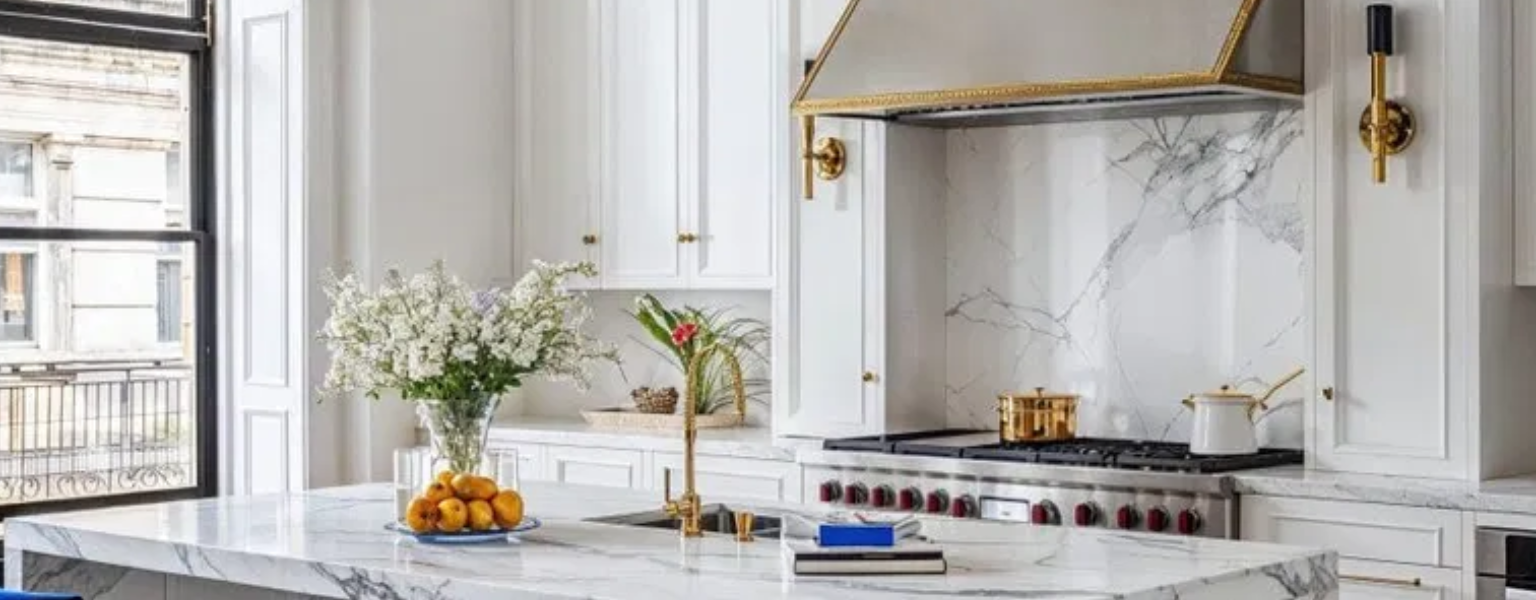
Scrolling through a kitchen remodel gallery can reveal how small changes make a big difference. Moving appliances for better flow. Extending cabinetry to the ceiling. Adding an island where none existed before.
What stands out in many transformations isn’t just new materials — it’s improved function. More prep space. Smarter storage. Better lighting.
You might notice that open-concept layouts feel inviting, but also require careful design to avoid clutter. Or that darker cabinets can feel dramatic when balanced with lighter surfaces.
The key takeaway? Renovation isn’t about copying someone else’s kitchen. It’s about understanding the principles behind why a redesign works.
Bathrooms: Small Spaces, Big Impact
Bathrooms are often overlooked until frustration builds. Poor lighting. Limited storage. Outdated tile that feels impossible to clean.
Browsing a thoughtfully curated bathroom remodel gallery can change how you see these compact spaces.
You begin to notice patterns — how floating vanities create the illusion of more space. How large-format tiles reduce grout lines and make walls feel expansive. How walk-in showers improve both aesthetics and accessibility.
What’s fascinating is how often subtle upgrades deliver dramatic results. Changing layout, improving ventilation, or adding layered lighting can transform an ordinary bathroom into a relaxing retreat.
It’s rarely about luxury for luxury’s sake. It’s about better use of what you already have.
Inspiration vs. Imitation
There’s a delicate balance between drawing inspiration and copying outright.
A good remodeling portfolio should inspire ideas, not dictate them. Each home has its own structure, natural light, and quirks. What works in one space might need adjustment in another.
That’s why reviewing past projects helps spark conversations with designers and contractors. Instead of saying, “I want this exact kitchen,” you might say, “I love how this layout improves movement,” or “This color palette feels calming.”
Those insights guide more personalized results.
The Emotional Layer of Before and After
Before-and-after photos do more than show visual change. They reveal emotional transformation.
Cluttered becomes clean. Dark becomes bright. Constrained becomes open.
There’s something deeply satisfying about seeing potential realized. It reminds homeowners that outdated doesn’t mean hopeless. That awkward doesn’t mean permanent.
Homes evolve because the people inside them evolve.
What to Look for in a Portfolio
Not all galleries are created equal. When reviewing remodeling examples, look beyond surface-level beauty.
Pay attention to craftsmanship. Are lines straight? Are materials aligned properly? Does the lighting look thoughtfully integrated?
Look for variety. Does the contractor handle different styles and layouts? Can they adapt to modern, traditional, and transitional aesthetics?
And perhaps most importantly, look for authenticity. Real projects feel lived-in, not staged.
Turning Inspiration Into Action
At some point, browsing turns into planning.
Once you’ve gathered ideas that resonate, it becomes easier to articulate your vision. You can discuss layout preferences, storage needs, and style directions more clearly.
Inspiration is the starting line — not the finish.
Final Thoughts: Seeing Possibility in Your Own Space
Renovation can feel overwhelming at first. Budgets, timelines, materials — it’s a lot to consider.
But inspiration simplifies the process. It turns uncertainty into excitement.
When you explore real remodeling examples, you begin to see your own home differently. You notice walls that could move. Corners that could serve new purposes. Rooms that could feel brighter, calmer, more aligned with who you are now.
Because sometimes, all it takes to begin is seeing what’s possible.
And once you see it, it’s hard to unsee.