
Let’s be real—there’s nothing worse than turning on your tap, taking a sip, and immediately regretting it. That weird metallic aftertaste, the faint hint of chlorine, or just that flat, lifeless flavor can make even the simplest act of hydration feel like a chore. But it doesn’t have to be that way.
You don’t need to spend a fortune or install some industrial-grade purification plant in your basement to enjoy better tasting drinking water. With a few smart decisions (and a bit of know-how), you can transform what comes out of your tap into something you actually want to drink.
The Problem with Tap Water (Even the “Good” Kind)
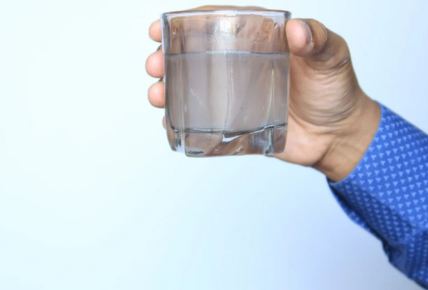
Here’s the thing: even if your tap water meets federal safety standards, that doesn’t mean it tastes good—or that it’s free of all unwanted particles. Municipal water supplies often contain chlorine or chloramine to kill bacteria. Necessary? Sure. Tasty? Not so much.
Then there’s the stuff you don’t see or smell—trace amounts of heavy metals, pesticides, or leftover minerals. Over time, these compounds affect not only the taste but also how your water interacts with your body and your appliances.
Why Taste Matters More Than You Think
Think about it. If your water tastes flat or funky, how likely are you to drink your daily recommended intake? Most of us are already dehydrated without even realizing it. If water tasted as good as iced tea or soda, we’d probably down it all day without hesitation.
Taste is about more than just pleasure—it’s tied to your health habits. Better-tasting water means you’re more likely to stay hydrated, which helps with energy levels, skin clarity, digestion, and even mood.
Cutting Down the Nasties: The Role of Filtration
So, what’s the first step to improving flavor? Easy—get rid of the junk.
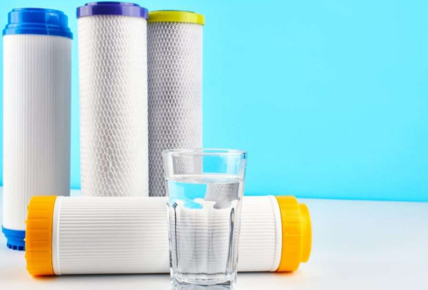
Most unpleasant flavors in drinking water come from things like chlorine, sediment, sulfur compounds, and high levels of total dissolved solids (TDS). A simple carbon filter can do a decent job removing some of these, but if you’re serious about elevating your water quality, you’ll want to reduce dissolved solids more thoroughly.
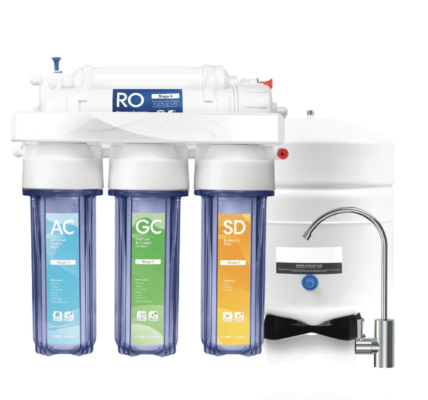
That’s where reverse osmosis (RO) systems shine. These units filter water down to the molecular level, removing 90–99% of contaminants. They leave you with clean, neutral-tasting water that’s a dream for coffee, tea, and even cooking.
Wait—Isn’t RO Water Too “Flat”?
Funny enough, one common complaint about RO water is that it’s too pure. By stripping away nearly all minerals, it can sometimes taste bland or empty. It’s a bit like drinking water that forgot its personality at home.
That’s where remineralization options come in. After water passes through the reverse osmosis membrane, you can send it through a post-filter that adds back essential minerals like calcium and magnesium. These don’t just improve taste—they’re good for your health and help maintain pH balance, too.
It’s like giving your water a little spark of life before it hits your glass.
The Art of Remineralization (Without Going Overboard)
Some folks hear “remineralize” and immediately think they need to turn their water into a multivitamin. Nope. You’re not trying to recreate a mountain spring here. The goal is subtle enhancement.
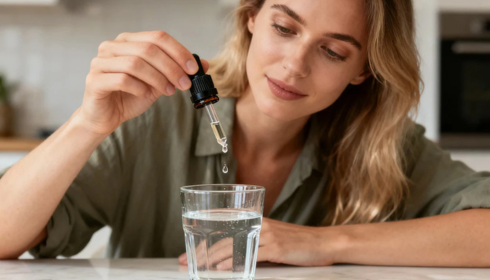
There are remineralization filters, cartridges, and even drops you can add manually. Some people swear by alkaline pitchers or stone filters. Others just prefer systems that do it all automatically. Whatever route you take, the point is balance—not overload.
Other Smart Tweaks That Can Help
Not ready to commit to a full RO system? No worries. Even small adjustments can make a difference.
- Replace old plumbing fixtures. Corroded faucets or pipes can leach metallic flavors.
- Flush your tap in the morning. Water sitting in pipes overnight can taste stale.
- Use a filtered water pitcher. It’s not perfect, but it’s affordable and beats nothing.
- Store your water properly. Glass bottles in the fridge help preserve freshness better than plastic.
It’s Not Just About Taste—It’s About Trust
Once you start paying attention to your water, it changes the way you think about what you put in your body. It’s not just about getting rid of “bad stuff.” It’s about making a conscious decision to treat your daily water like the essential fuel it is.
And sure, bottled water might seem easier—but it’s expensive, wasteful, and not always better in terms of quality. When you invest in your home water system, you’re not just saving money; you’re gaining control and consistency.
The Takeaway: Drink Water That Loves You Back
You deserve water that’s as clean, vibrant, and refreshing as it should be. Whether you go the full reverse osmosis route, add in remineralization options, or simply find ways to reduce dissolved solids with a pitcher or faucet filter, it all adds up.