A well-designed yard does more than improve curb appeal. It gives you a functional outdoor space, supports healthy plant growth, and makes routine maintenance easier. In Green Bay, Wisconsin, landscaping requires thoughtful planning because properties experience cold winters, spring moisture, summer heat, and changing soil conditions. Choosing plants, hardscape materials, drainage solutions, and maintenance practices that suit the local environment helps your landscape remain attractive throughout the year.
If your yard looks uneven, develops standing water, loses plants after winter, or requires constant upkeep, the problem often starts with poor planning rather than a lack of maintenance. Landscaping in Green Bay, WI should account for sunlight, soil drainage, grading, plant hardiness, and how you use the property. Green Bay is primarily in USDA Plant Hardiness Zone 5b under the current 2023 map, which helps guide perennial plant choices based on winter temperature tolerance. A soil test can also help identify pH, nutrient, and soil-condition issues before new landscape features are installed. Addressing these factors before installation creates a landscape that performs better and reduces avoidable repairs and replacements.
Common Landscaping Problems in Green Bay
Seasonal weather creates several challenges for residential landscapes. Heavy spring moisture can expose drainage problems, while compacted soil can prevent water and oxygen from reaching plant roots. Poor grading may direct runoff toward foundations or low areas of the yard. Winter conditions also place stress on lawns, trees, shrubs, and hardscape surfaces.
Plant selection is another consideration, but it should follow the site’s drainage, soil, sunlight, and hardiness conditions rather than appearance alone. A soil test and site assessment can help identify conditions that affect how well landscape areas perform over time.
Build a Landscape Around Your Property
Start with an assessment of the entire yard instead of adding features one at a time. Observe where water collects after rainfall, which areas receive full sun or shade, and where foot traffic occurs. These observations help determine appropriate locations for planting beds, lawns, pathways, patios, and drainage improvements.
Improve Drainage and Grading
Effective drainage protects both your landscape and property. Proper grading directs excess water away from structures and prevents persistent soggy areas. Depending on site conditions, solutions may include adjusted grading, drainage channels, catch basins, rain gardens, or other water-management features. Rain gardens can provide a practical way to manage runoff while creating a planted area that fits into the landscape.
Choose Plants for the Site
Select trees, shrubs, perennials, and groundcovers according to their light, soil, moisture, and cold-tolerance requirements. Grouping plants with similar needs makes irrigation and maintenance more efficient. Native and well-adapted plants can also provide valuable habitat while reducing stress caused by unsuitable growing conditions.
Use Hardscaping Strategically
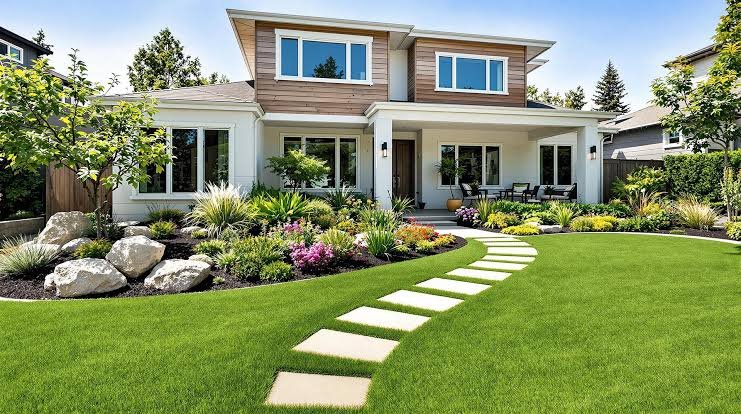
Patios, walkways, retaining walls, edging, and other hardscape elements add structure and functionality. Good design considers traffic patterns, drainage, scale, and material durability. A pathway should lead naturally to an entrance or outdoor living area, while a patio should provide enough usable space for the activities you regularly enjoy.
Make Seasonal Maintenance Easier
A landscape stays healthier when maintenance follows the seasons. In Green Bay, the average last spring freeze is around May 3 and the average first fall freeze is around October 6 based on 1991–2020 climate normals, so these dates can serve as practical planning anchors while actual conditions vary by year. Spring is an ideal time to inspect plants for winter damage, remove accumulated debris, address compacted soil, and refresh planting beds. Applying about 2 to 3 inches of mulch around planting areas can help conserve moisture and moderate soil temperatures, while keeping mulch away from plant stems and tree trunks. During summer, monitor moisture levels and watch for weeds, pests, and signs of plant stress.
Fall maintenance should focus on preparing the property for winter. Removing diseased plant material, clearing leaves where necessary, pruning plants at the appropriate time, and checking drainage areas can help reduce problems during the colder months. Along driveways and walkways, also inspect plantings for salt damage caused by winter deicing materials and consider salt-tolerant plants or protective measures where exposure is recurring. Lawn care should also follow seasonal growth patterns rather than relying on the same routine throughout the year.
Benefits of Professional Landscape Planning
A carefully planned landscape improves more than appearance. It can make outdoor areas easier to use, reduce unnecessary maintenance, improve drainage, support healthier plants, and create a stronger connection between your home and yard. Professional planning is especially useful when your property has significant grading issues, difficult soil conditions, extensive planting needs, or a complex outdoor layout.
The goal is not to fill every available space. A successful landscape balances plants, open areas, hardscaping, drainage, and maintenance requirements so each element serves a clear purpose.
Create a Better Green Bay Yard
A durable landscape starts with decisions that fit your property’s conditions and your everyday needs. From drainage and grading to hardscape design and seasonal maintenance, each choice affects how your yard performs over time. If you’re planning landscaping in Green Bay, WI, evaluate your property carefully, prioritize practical improvements, and choose solutions designed for local seasonal conditions. A thoughtful plan today creates a healthier, more functional, and easier-to-maintain outdoor space for years to come.