
There’s something about the smell of gas that stops you mid-step. Maybe it’s faint, maybe it’s strong — either way, it triggers that gut feeling that something’s off. And when it comes to natural gas, “off” can turn dangerous real fast. Yet, most of us don’t give it much thought… until there’s a problem. Let’s change that.
In this post, we’ll talk about the often-overlooked world of gas lines — the silent lifeline powering your stove, your water heater, your fireplace. We’ll look at how gas leak detection works, when to call for gas line repair, and why gas line installation isn’t a DIY project (unless you want your eyebrows singed off).
The Invisible Danger in Your Home
Here’s the thing about gas: you can’t see it. It doesn’t leave a puddle like a water leak or make screeching noises like a busted AC. It’s stealthy. But when a leak occurs, the consequences can be catastrophic — we’re talking explosions, fires, carbon monoxide poisoning. It’s no exaggeration to say a minor gas issue can escalate into a life-threatening situation.
And yet… many homeowners overlook the signs.
Odd hissing sound near the stove? “Maybe it’s just the oven cooling down.”
Smell of sulfur near the garage? “Maybe someone left the trash out.”
We rationalize away the signs because we’re not sure what to do, or worse — we don’t want to deal with the hassle.
But here’s a tip: if your instincts are telling you something’s wrong, listen to them. Because the stakes are too high to ignore.
How Professionals Sniff Out Danger: The Art of Gas Leak Detection
When you suspect a gas leak, the first step is getting it confirmed — and that’s where professionals come in. Today’s gas leak detection isn’t just about sniffing the air and guessing. It’s about using advanced tools like electronic detectors, ultrasonic sensors, and infrared cameras to pinpoint the problem accurately and quickly.
A trained technician will inspect fittings, joints, and appliances, tracing the path of the gas line to spot even the smallest hairline leaks. They’ll use soap solution tests in some cases — yup, good ol’ bubbles — and blend it with cutting-edge tech to ensure nothing slips through the cracks.
The key takeaway here? You may not always smell a gas leak. Especially if it’s slow or happening in a rarely visited part of the house (like behind your water heater). That’s why routine inspections are a smart idea — not paranoid, just prepared.
When Patching Isn’t Optional: Understanding Gas Line Repair
Let’s say a leak is found. What next?
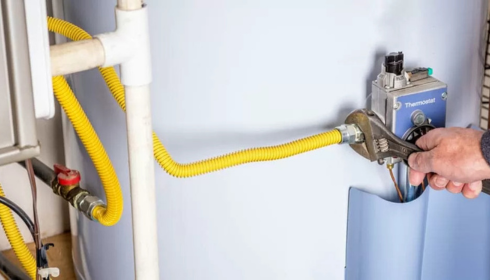
It’s tempting to think it’s a “quick fix” — maybe just tighten a connection or replace a fitting, right? Not always. Gas line repair can involve more than people realize. Sometimes it’s about replacing corroded segments of piping, rerouting parts of the line, or bringing old work up to current safety codes.
It’s not a job for a general handyman.
Gas systems are governed by strict regulations, and for good reason. One wrong move — a poorly sealed joint or the wrong type of connector — can compromise the entire system. Repairs should always be performed by licensed gas plumbers or technicians who understand the materials, pressure ratings, and proper ventilation standards.
Don’t cut corners here. The cost of quality repair is nothing compared to the cost of an emergency room visit — or worse.
Thinking of a New Line? The Real Deal Behind Gas Line Installation
So, maybe you’re upgrading to a tankless water heater. Or you want to convert your electric stove to gas. Sounds simple enough… until you realize what gas line installation actually involves.
This isn’t a plug-and-play setup.
A professional will need to:
- Calculate gas load requirements
- Choose the right pipe size and material (copper, black iron, CSST — it matters!)
- Secure permits
- Test for leaks after installation
- Ensure everything meets local building and safety codes
It’s surgical work. One miscalculation could result in poor gas flow, increased pressure on the system, or future leaks. This is not where you want to rely on a YouTube tutorial and a wrench from your toolbox.
The bottom line? Always hire a licensed professional for new installations. Your future self will thank you.
Little Signs, Big Warnings: When to Call a Pro
If you’re not sure when to bring in the experts, here’s a handy mental checklist:
- Smell of rotten eggs or sulfur indoors
- Hissing or whistling sounds near gas lines
- Dying indoor plants for no clear reason
- Unusually high gas bills
- Physical symptoms like dizziness, nausea, or headaches (could signal carbon monoxide exposure)
Even if you’re just wondering if something is off, it’s better to be cautious. A consultation won’t break the bank — but ignoring the signs might.
Safety Starts With Awareness (Not Panic)
Let’s be honest. The idea of gas leaks and explosions can be scary. And sure, it’s easy to go down the rabbit hole of worst-case scenarios. But safety doesn’t have to come from fear — it comes from awareness, action, and preparation.
Schedule a check-up. Install carbon monoxide detectors. Talk to your plumber about your gas line’s age and condition. It doesn’t have to be dramatic — just smart.
And if you ever do smell gas? Don’t turn on lights. Don’t use your phone indoors. Get out and call emergency services or your gas company immediately. It’s not overreacting — it’s being responsible.
Final Thoughts: It’s Not Just a Pipe, It’s Peace of Mind
Gas lines do a quiet job. They sit behind walls, under floors, and keep your home humming along. But when something goes wrong, they don’t stay silent for long.
Whether it’s routine gas leak detection, timely gas line repair, or smart gas line installation, you owe it to yourself — and your loved ones — to take these systems seriously.
Not because you’re paranoid. Because you’re paying attention.
And in the world of home safety, that’s the smartest thing you can do.