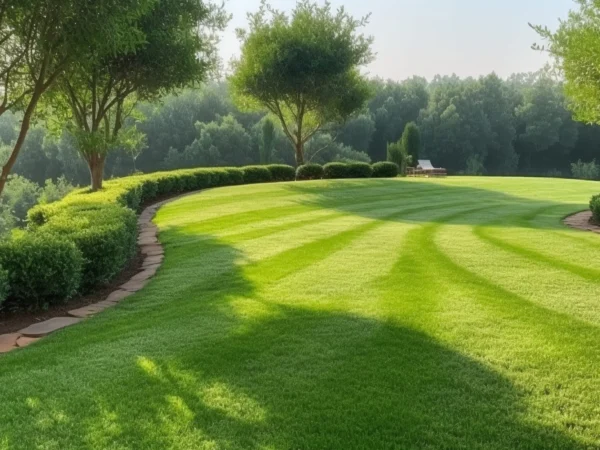
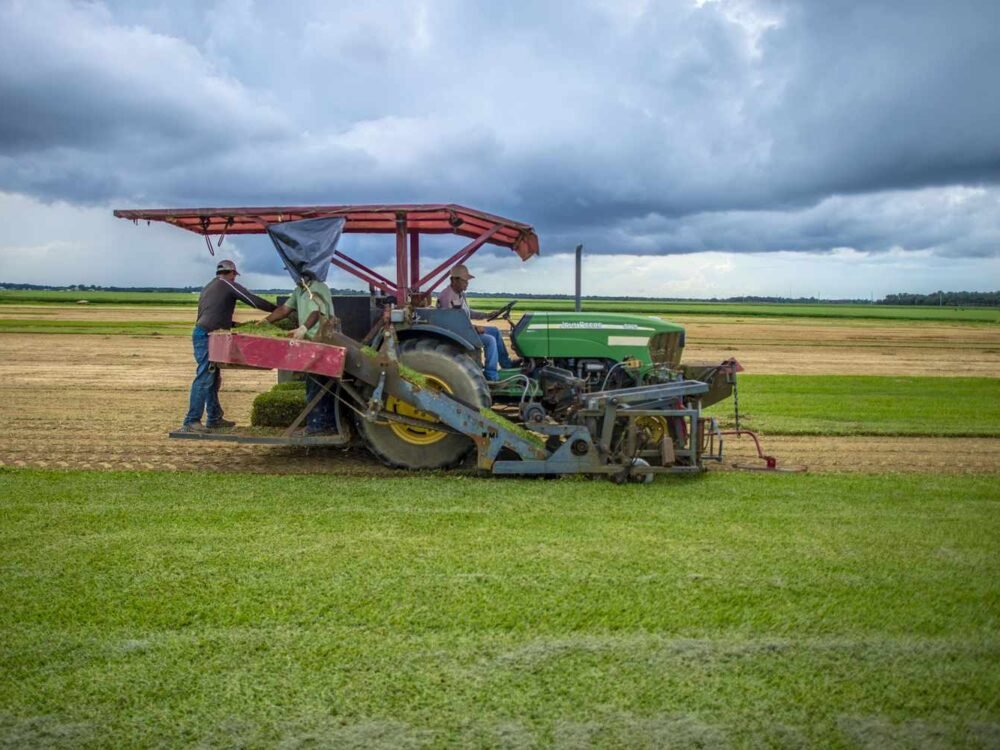
A healthy lawn starts with the right sod. For homeowners in Alexandria, VA, choosing sod is not simply about finding green grass that looks attractive on delivery day. The sod should establish strong roots, fit the property’s soil conditions, and support practical lawn maintenance after installation. Non-netted sod offers an option worth considering because it eliminates the need for synthetic mesh while providing a straightforward approach to establishing a durable lawn.
When comparing options from a sod farm in Alexandria, VA, it is important to look beyond appearance and consider how the sod performs after installation. Grass type should be one of the first considerations. Northern Virginia’s transition-zone climate makes cool-season turfgrass particularly relevant for local lawns. Premier Turf Farms grows a blend of approximately 90% turf-type tall fescue and 10% Kentucky bluegrass, offering a combination suited to sun and shade, drought tolerance, and year-round green color. Non-netted sod is grown without plastic netting woven through the root zone, making it easier to handle during installation and more convenient when future lawn work requires cutting or removing sections. For Alexandria properties where homeowners want a clean, natural lawn system, these differences deserve attention.
Why Choose Non-Netted Sod for Alexandria, VA Lawns?
Netted sod contains synthetic mesh that helps hold the soil and roots together during harvesting and handling. Although the mesh serves a practical purpose during production, it remains in the lawn after installation. Non-netted sod uses established roots and soil structure rather than synthetic reinforcement to maintain its form.
For homeowners, that distinction offers several practical benefits:
1. No synthetic mesh in the lawn: The root zone does not contain an added plastic layer that can remain in the soil.
2. Simpler future removal: Sections are easier to cut and remove when landscaping changes are needed.
3. Natural root development: Grass roots grow directly into the underlying soil without relying on mesh for structural support.
4. Cleaner lawn renovation: Removing or replacing sections does not require working around embedded netting.
5. Fewer maintenance complications: Plastic netting can snag on equipment such as dethatchers and aerators, making routine lawn work more difficult.
6. Reduced wildlife entanglement concerns: Loose or exposed plastic mesh can create an entanglement hazard for wildlife, particularly if the lawn is disturbed or the netting becomes exposed.
7. Suitable for residential landscapes: Non-netted sod provides a natural-looking finished lawn when properly installed and maintained.
Alexandria Lawn Conditions Make Sod Selection Important
Alexandria lawns experience changing weather throughout the year, including hot summer periods, cold winters, rainfall, and seasonal transitions. These conditions place different demands on newly installed grass. Cool-season grasses such as turf-type tall fescue and Kentucky bluegrass are commonly suited to the region, while the specific blend should be matched to the property’s sunlight, shade, traffic, and watering conditions.
The condition of the installation site matters just as much as the sod itself. Compacted soil, poor grading, excessive shade, and inadequate preparation can interfere with rooting regardless of whether sod is netted or non-netted.
Before installation, prepare the site by removing existing vegetation and debris, correcting uneven areas, loosening compacted soil, and establishing suitable grades. A soil test can also identify pH and nutrient conditions that may affect turf performance. Based on the test results, homeowners can make appropriate soil amendments before installation rather than applying unnecessary products.
Ordering and Installing Non-Netted Sod Successfully
Installation season and timing matter when ordering sod. Cool-season turf such as tall fescue and Kentucky bluegrass is generally most comfortable establishing during the cooler portions of the growing season, while weather conditions should always be considered before scheduling delivery.
Sod is perishable, so lay it as soon as possible after delivery rather than leaving it rolled on a pallet. Premier Turf Farms advises customers to plan installation promptly because sod can deteriorate quickly, particularly during hot weather. During hot periods, newly installed sections should be watered as soon as an area large enough for sprinkler coverage has been laid, with watering beginning within about 30 minutes.
For ordering, measure the property carefully rather than estimating by eye. Premier Turf Farms’ standard sod rolls cover 10 square feet, and its standard pallet covers approximately 640 square feet, although custom and partial pallet sizes may be available. Knowing the property’s total square footage helps homeowners order the correct amount and avoid delays or additional delivery costs.
Keep the pieces tightly joined without overlapping. Staggering seams between rows helps prevent continuous gaps across the lawn. Avoid heavy traffic while the sod is establishing so the pieces remain properly positioned and maintain good soil contact.
A starter fertilizer may also be appropriate to provide nutrients during establishment, particularly when a soil test indicates a need. Homeowners should follow the sod farm’s recommendation and soil-test results rather than applying fertilizer unnecessarily.
Watering and Early Lawn Care
Watering is particularly important during the initial establishment period. The objective is to keep the sod and underlying soil adequately moist while avoiding prolonged standing water. Premier Turf Farms recommends keeping new sod watered for at least the first two weeks, with the first three to four days being especially important. Depending on weather, temperature, wind, and rainfall, watering may need to occur daily or even twice daily during the earliest stage.
After the initial few days, adjust watering according to weather and soil conditions rather than following a rigid schedule. As roots begin developing into the existing soil, watering frequency can gradually decrease to encourage deeper rooting. The sod should remain sufficiently moist without becoming waterlogged.
Long-Term Benefits for Homeowners
The value of non-netted sod extends beyond installation day. A lawn eventually requires edging, aeration, planting changes, irrigation adjustments, and occasional repairs. Without synthetic mesh embedded in the root zone, these maintenance activities are more straightforward.
When a damaged area needs replacement, cutting through natural sod is uncomplicated. This is particularly useful for homeowners who expect to modify flower beds, install landscape features, repair irrigation lines, or renovate portions of their yard. Avoiding embedded plastic can also reduce the chance of maintenance equipment catching on mesh during future lawn work.
Choose Sod With the Entire Lawn in Mind
Selecting sod for an Alexandria, VA property should involve more than comparing color and price. Consider the grass type, how the grass was produced, the property’s soil and pH, sunlight and drainage conditions, installation season, and how the lawn will be maintained years later.
For homeowners seeking a natural approach to lawn establishment, non-netted sod provides a practical alternative to mesh-backed products. Choose a grass blend suited to the property, prepare the soil properly, arrange for prompt installation after delivery, and follow the farm’s watering and fertilizer recommendations.
If you are planning a new lawn in Alexandria, VA, evaluate non-netted sod based on your property’s soil, sunlight, drainage, grass type, and maintenance needs, then choose a quality product that supports healthy, long-term turf establishment.