

Hard water doesn’t usually announce itself loudly. It sneaks in quietly, shows up in small inconveniences, and often gets blamed on everything else before anyone considers the real cause.
Most people don’t think much about water unless something is obviously wrong. If it looks clear and tastes normal, it must be fine — right?
That’s the assumption many households live with for years. But water quality issues, especially hard water, don’t always appear dramatically. Instead, they show up in subtle ways — tiny frustrations that slowly become part of everyday life.
You might find yourself scrubbing bathroom tiles more often, replacing appliances sooner than expected, or wondering why your skin feels tight after every shower.
These small annoyances don’t seem connected at first. But once you start paying attention, a pattern begins to emerge.
And that pattern often points to one simple explanation: hard water.
What Hard Water Actually Means
Hard water isn’t dirty or unsafe to drink. It simply contains high levels of dissolved minerals — primarily calcium and magnesium.
These minerals enter water naturally as it flows through soil and rock. In many regions, especially those with limestone deposits, hard water is extremely common.
The real issue isn’t health risk. It’s the way those minerals interact with everyday household activities.
They cling to surfaces, interfere with soap performance, and gradually build up inside plumbing systems.
Over time, the effects become more noticeable — and more frustrating.
The Everyday Clues Most People Overlook
One of the biggest challenges with hard water is recognizing the signs early. Because they develop slowly, many homeowners simply adapt to them without realizing what’s happening.
Some of the most common hard water symptoms include cloudy glassware, reduced water pressure, frequent appliance repairs, and soap that refuses to lather properly.
Even something as simple as doing laundry can be affected. Clothes washed in hard water often feel stiff or look dull after repeated cycles.
None of these problems seem serious on their own. But together, they paint a clear picture of water that’s working against you rather than for you.
Why Cleaning Feels Like an Endless Task
If you’ve ever cleaned a shower door only to see white streaks return days later, you’ve likely experienced one of the most annoying consequences of hard water.
Those chalky deposits are mineral residues left behind after water evaporates. They stick stubbornly to glass, tiles, and fixtures, making cleaning feel like a never-ending battle.
Another particularly frustrating issue is soap scum — that sticky, cloudy film that forms when soap reacts with calcium in hard water.
Instead of rinsing away cleanly, soap combines with minerals to create residue that clings to surfaces. This not only affects cleanliness but also increases the time and effort required for routine household chores.
Many homeowners assume they need stronger cleaning products, when in reality, the underlying problem lies in the water itself.
The Unexpected Impact on Skin and Hair
Beyond cleaning challenges, hard water can have a surprisingly noticeable effect on personal comfort.
Minerals in the water interact with soaps and shampoos, leaving a thin residue on skin and hair. Over time, this can lead to irritation, dullness, and that persistent feeling of tightness after a shower.
For individuals with sensitive skin, eczema, or allergies, the impact can be even more pronounced.
One of the most commonly reported issues is dry skin, especially during colder months when natural moisture levels are already reduced.
It’s a subtle discomfort that many people simply accept — never realizing that water quality may be playing a role.
The Hidden Costs Inside Your Home
Hard water doesn’t just affect surfaces and comfort. It also quietly damages appliances and plumbing systems.
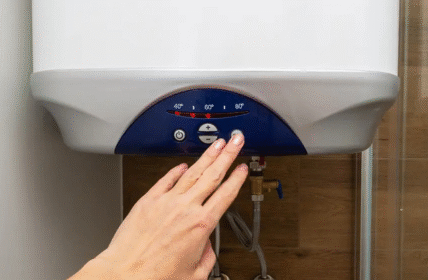
Mineral buildup inside pipes reduces water flow over time. Water heaters become less efficient as scale forms on heating elements. Dishwashers and washing machines experience increased wear and tear.
These problems don’t appear overnight. But over years, they can lead to higher energy bills, frequent repairs, and premature appliance replacement.
What seems like a minor inconvenience today can turn into a significant expense down the road.
Why Many Homes Live With Hard Water for Years
One reason hard water often goes unaddressed is that it doesn’t feel urgent. Unlike a leak or electrical issue, it doesn’t demand immediate attention.
People adapt to it. They clean more frequently, use extra detergent, or replace appliances when they fail — all without questioning the underlying cause.
Only after experiencing softened water do many homeowners realize how much effort they were putting into managing these daily inconveniences.
It’s often described as a “quiet improvement” — not dramatic, but undeniably noticeable.
Taking the First Step Toward Better Water
The good news is that identifying hard water is relatively simple. Water testing kits can quickly reveal mineral levels, providing clarity about what’s happening inside your home.
Once you understand the situation, solutions become much easier to consider.
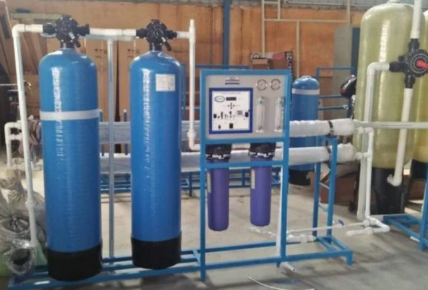
Whether it’s installing a softening system or adjusting cleaning habits, even small changes can make a meaningful difference in comfort and maintenance.
And perhaps most importantly, addressing water quality helps prevent long-term damage to plumbing and appliances.
The Bigger Picture: Comfort Beyond Convenience
At its core, improving water quality isn’t just about eliminating stains or reducing cleaning time. It’s about enhancing everyday living.
Soft, balanced water makes showers more refreshing, laundry softer, and surfaces easier to maintain. It protects home infrastructure while quietly improving personal comfort.
These changes might seem small individually, but together they create a noticeable shift in how a home feels.
The Bottom Line: Listen to the Subtle Signs
Hard water rarely announces itself loudly. Instead, it shows up through small inconveniences that slowly become part of daily life.