
There’s a peculiar kind of frustration that comes with your air conditioner acting up in the middle of a scorching afternoon. It’s not quite dead. It hums, maybe even blows some air—but something feels off. The house isn’t cooling, your electric bill’s creeping up, and you find yourself poking around the thermostat like it’s hiding secrets. The issue might not be as dramatic as a fried compressor or a refrigerant leak. Sometimes, it’s something small—but mighty: the contactor.
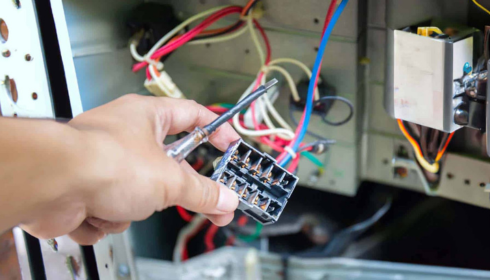
The contactor is one of those unsung heroes of HVAC systems. It’s a switch, in the simplest terms, that helps deliver voltage to major components like the compressor and condenser fan motor. When it fails, your system can act strangely—or not at all. But how do you know if the contactor is the culprit?
Let’s unpack the subtle, frustrating, and often-overlooked signs of a bad contactor so you’re not left sweating and guessing.
A Subtle Silence: When the AC Doesn’t Click
Most air conditioning units give off a telltale click when they start up. That sound? It’s the contactor pulling in to allow power to flow. When that click goes missing, or if it sounds delayed or weak, it’s one of those gentle nudges your system gives you that something’s wrong. You might hear the thermostat signal, but the outdoor unit just sits there—quiet, like it’s on strike.
And that’s a red flag. Not an emergency, maybe, but definitely a whisper of trouble ahead. Because when the contactor isn’t clicking on, power isn’t reaching the key parts of your system. That means no compressor and no cool air, no matter how low you set the thermostat.
A Hum with No Hustle
Sometimes, the outside unit makes noise—it hums like it wants to work—but the fan doesn’t spin. The air feels warm. The unit’s just… humming. That’s another classic bad contactor behavior. It’s stuck. Either it’s not engaging properly, or it’s not disengaging at all, which can lead to overheating and eventual burnout of other components. And you don’t want that.
It’s like pressing the gas pedal, and the car just revs without moving. Frustrating, right? That’s your AC saying, “Help me out here.”
Burn Marks, Bugs, and Pitting: Physical Clues
If you or a technician gets eyes on the contactor itself, sometimes the signs are right there—like reading a crime scene. Over time, contactors can get pitted or charred. You might see scorch marks, melted plastic, or even the telltale grime of bug invasions (yep, ants love these warm little boxes). Any of these physical signs are pretty solid proof that your contactor’s on its last leg.
It doesn’t have to be completely fried to cause problems. Even light wear can affect the connection, making your AC inconsistent or sluggish to start. The key takeaway? If it looks worn, it probably is.
Intermittent Cooling: The AC Plays Hard to Get
Few things are more annoying than an air conditioner that works—sometimes. It cools fine one day, then struggles the next. The fan kicks in, but the compressor doesn’t always follow. That on-again, off-again behavior? It’s one of those frustrating bad ac contactor symptoms that can drive homeowners nuts.
What’s happening here is likely electrical. The contactor’s relay might be stuck or failing to send voltage consistently. So your AC becomes unreliable, like an old car that only starts when it feels like it. And in the summer heat, that’s just not good enough.
AC Runs Nonstop: It Won’t Shut Up
Here’s a weird one: the system won’t turn off. Even when you bump up the thermostat or shut it off manually, the outdoor unit keeps going. This happens when the contactor gets stuck in the “on” position. It’s like a light switch jammed so the lights are always on.
This might seem like a “better” issue than no cooling at all, but it’s actually dangerous. Running nonstop puts massive strain on your compressor, burns more electricity, and wears out your system faster. If your AC just won’t quit, check that contactor before blaming the thermostat.
Sudden Spike in Power Bills
Here’s a quiet clue that often gets ignored: your energy bill goes up, even though your usage hasn’t. When a contactor starts failing, it can cause the system to cycle inefficiently. Maybe the fan runs longer than needed. Maybe the compressor isn’t getting consistent power. Either way, your system’s working harder and longer—and your bill reflects that.
It’s one of those sneaky symptoms that don’t scream “emergency,” but they whisper “hey, something’s not right.” Pay attention to those whispers. Your wallet will thank you.
How Long Does a Contactor Last, Anyway?
Most contactors are rated for tens of thousands of cycles. That sounds like a lot—and it is—but if your AC runs frequently (which it does in most households), that number gets chipped away fast. Dust, bugs, moisture, and power surges all wear it down faster.
That’s why HVAC professionals often check the contactor during regular maintenance. Swapping it out when it’s starting to wear is much cheaper than waiting until it takes your compressor down with it.
When to Call a Pro (and Not DIY)
Now, if you’re the curious, hands-on type, you might be tempted to poke around and test things yourself. While it’s great to be informed, remember: the contactor deals with live voltage. Testing or replacing it without proper precautions can be dangerous. We’re talking about live 240V lines—not something you want to mess with unless you’re trained.
Your best bet? Listen to the symptoms. If you notice several of the above signs, it’s time to bring in a licensed HVAC tech to diagnose and replace the part. It’s a quick, affordable fix—especially compared to what happens if it’s ignored.
Final Thoughts: Don’t Let a $30 Part Ruin a $3,000 System
It’s kind of wild, honestly. A tiny component like a contactor can wreak so much havoc when it goes bad. But it’s also kind of comforting. Because once you know what to look for, and once you understand the signs of a bad contactor, you’re no longer at the mercy of mystery breakdowns.
So the next time your AC gives you attitude—whether it’s humming but not cooling, running nonstop, or ghosting you altogether—don’t panic. It might just be the contactor calling it quits. Get it checked, swap it out if needed, and enjoy the relief of a cool home that listens when you say “chill.”