When Your Water Starts Smelling Like Eggs: A Calm, Honest Look at What’s Really Going On

Water is supposed to feel simple. You turn on the tap, fill a glass, take a sip, and move on with your day. But every once in a while, you run into one of those moments that makes you pause—when the water coming from your faucet smells… wrong. Not mildly odd, not slightly earthy, but unmistakably like rotten eggs.
It’s one of those little household mysteries that instantly grabs your attention. You sniff again, hesitate, maybe even call someone into the room to confirm what your nose already told you. And suddenly you’re thinking: Is this dangerous? Is my plumbing failing? Is something growing in there?
Let’s take a slow, steady walk through this, because the issue is more common—and more solvable—than you might think.
When Cold Water Surprises You
Most people expect water smells to come from hot water heaters or warm pipes. So when cold water smells like rotten eggs, it feels especially alarming. Cold water is supposed to be the “safe” option, the refreshing one, the pure one.
But the truth is, cold water can pick up hydrogen sulfide gas or sulfur bacteria just as easily as hot water. It might be coming from your well, from aging municipal lines, or from stagnant plumbing that needs a good flush.
It’s unpleasant, yes, but rarely dangerous. The key is understanding where it’s coming from—and what you can do about it.
When the Sink Becomes the Suspect
A lot of people first notice the smell when washing their hands or dishes. You lean in toward the faucet, and suddenly it hits you: something smells like boiled eggs left out too long.
This is when homeowners start wondering why their sink water smells like eggs, even when everything else in the house seems normal.
Surprisingly, the smell doesn’t always come from the water itself. Drains can harbor bacteria that react with trapped food, soap, or organic matter. When water runs over these surfaces, it releases the odor—but the water is completely fine once it leaves the sink.
A quick test:
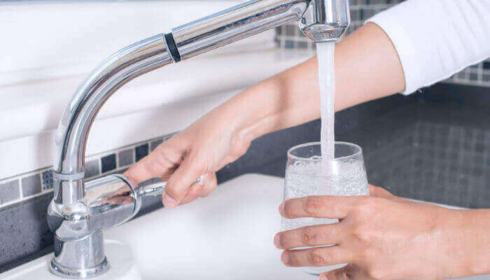
Fill a clean cup of water, walk away from the sink, and sniff again.
Still smelly? Then the issue is in the water—not the drain.
So… Why Does This Happen at All?
That’s the big question: why does my water smell like rotten eggs in the first place?
The short, simple answer: hydrogen sulfide gas.
The longer, more human explanation: underground environments contain sulfur. When water flows through certain rocks or soil, it can carry that compound with it. Add bacteria that thrive in oxygen-free environments, and that unmistakable “sulfur smell” appears.
Other common causes include:
– a deteriorating magnesium anode rod in your water heater
– iron or sulfur bacteria in the plumbing
– decaying organic material in the drain
– stagnant water in older pipes
– natural sulfur in well water
None of these sound glamorous—but all of them are treatable.
When the Water Heater Joins the Drama
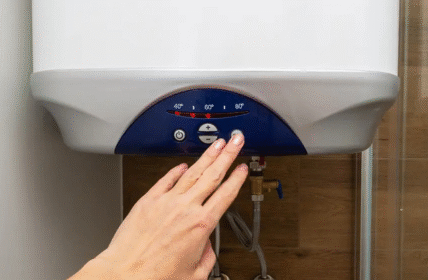
Some homeowners notice the smell only when using hot water. In that case, the issue usually points directly to the water heater.
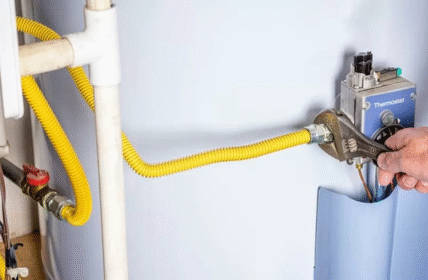
Inside most heaters, there’s an anode rod designed to prevent internal corrosion. If that rod is made of magnesium, it may react with sulfur bacteria in the water, producing hydrogen sulfide gas.
The result? Rotten egg aroma every time you turn on the hot tap.
Replace the rod, flush the heater, and suddenly your home feels “normal” again.
The Well Water Factor
If you’re on well water, sulfur isn’t a stranger—it’s a neighbor. In some regions, it’s normal for groundwater to carry sulfur compounds naturally. This doesn’t mean your well is contaminated. It just means the chemistry of your area produces certain side effects.
Treatment systems like aeration tanks, peroxide injection, or activated carbon filtration can make a world of difference. And once the system is set up, you barely have to think about it again.
The Randomness of the Smell
One of the most frustrating parts about sulfur odor is how inconsistent it can be. You may notice it in the morning but not in the afternoon. It might appear after a long vacation when the pipes haven’t been used. Or it may only show up in one bathroom but not another.
This inconsistency doesn’t mean the problem is imaginary. It means the cause is hyper-specific—cold vs. hot water, certain plumbing lines, seasonal shifts, or bacterial changes.
Once you track down that specific cause, the solution becomes clear.
How to Fix the Problem Without Overthinking It
You don’t need an engineering degree to bring your water back to normal. Here are practical steps most homeowners take:
1. Rule out the drain
Flush it with baking soda and boiling water. If the smell disappears when testing water away from the sink, your plumbing is fine.
2. Test hot vs. cold water
This helps you identify whether it’s a heater issue or a supply issue.
3. Check all faucets
Smell in one tap usually means local plumbing.
Smell everywhere points to the main supply.
4. If you have a well, test your water
A small test provides huge clarity.
5. Consider treatment systems
Aerators, carbon filters, chlorination, or peroxide can eliminate sulfur long-term.
6. Replace the water heater’s anode rod
A simple fix with dramatic results.
The Emotional Relief of Solving It
Water is such a basic part of daily life that when something’s wrong with it, everything feels slightly off. Showers feel unpleasant. Coffee tastes weird. Cooking feels questionable. Even washing your hands becomes slightly… complicated.
Fixing the smell, however, restores that sense of normalcy almost instantly. Suddenly your home feels comfortable again. Clean again. Familiar again.
It’s a small victory that makes everyday life feel better.
A Gentle Ending to a Smelly Situation
Rotten egg odors in water may be annoying, embarrassing, or downright unsettling—but they’re not permanent, not dangerous, and not something you have to live with.