
We often don’t give our tap water much thought—until something changes. Maybe your morning coffee tastes a little off. Or your shower leaves your skin dry and itchy. Sometimes, there’s a smell that wasn’t there before, or a film on your dishes that no amount of scrubbing can remove. That’s the moment you realize: this isn’t just water anymore—it’s a problem waiting for attention.
The truth is, water quality isn’t just about taste or smell. It’s tied to your health, your home’s longevity, and your everyday comfort. And while that realization might feel overwhelming at first, the good news is there’s a lot you can do to improve your water quality without making drastic or expensive changes.
Start with Curiosity, Not Panic
Water issues can be sneaky. They creep in gradually. You might not even notice the warning signs until one day you’re scrubbing buildup from the sink… again. But instead of assuming the worst, start by asking questions. Where does your water come from—municipal supply or private well? Do your neighbors have similar concerns? What do your senses tell you? That’s usually where the journey begins.
It’s easy to feel out of depth when words like “TDS,” “nitrates,” or “hardness levels” get thrown around. But at the heart of it, you’re just trying to get back to the basics: water that’s clean, clear, and safe.
Testing Isn’t Overkill—It’s Common Sense
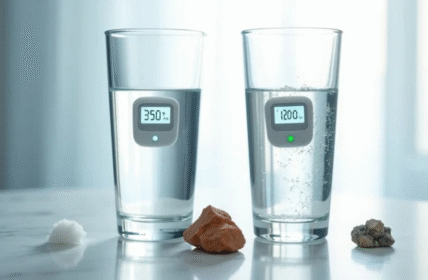
If you’re noticing consistent issues, testing your water is a smart move. You wouldn’t take medication without knowing what’s wrong, right? Same with your water. You need to know what you’re dealing with before throwing filters or softeners at the problem.
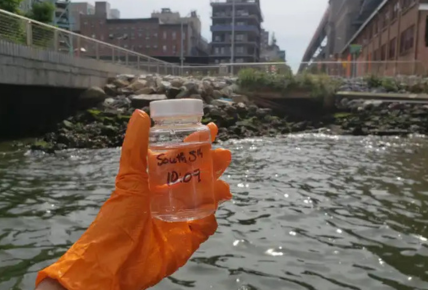
Local labs or home test kits can reveal things like iron, sulfur, lead, bacteria, or even chlorine levels. This info helps you figure out whether you need a simple pitcher filter or something more robust. And it gives you peace of mind—you’re not just guessing.
Small Fixes Can Lead to Big Improvements
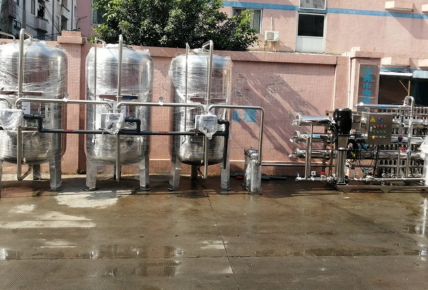
Not every issue calls for an expensive whole-house system. Sometimes, swapping in a quality faucet filter or adding a softener cartridge for your shower can make a world of difference. Start small, adjust as needed. You might be surprised how much better everything feels when your water stops working against you.
It’s not about overhauling your entire plumbing system. It’s about making intentional changes that suit your lifestyle and budget. Over time, these tweaks can add up to a massive shift in how your water tastes, feels, and even smells.
Why Clean Water Matters More Than Ever
We tend to forget how many moments in our day involve water. That first glass in the morning. Cooking dinner. Bathing our kids. Water runs through everything. So when something’s off, it ripples through your life.
Choosing to restore clean water isn’t just about fixing a utility. It’s about reclaiming confidence in your home. You deserve to turn on the tap and not wonder what’s coming out. Clean water shouldn’t feel like a luxury—it should be the default.
When water is working with you, everything feels easier. Cooking tastes better. Skin feels smoother. Hair shines. Even your appliances last longer. It’s the kind of difference you don’t always notice immediately—but you feel it.
Bring in the Right Help, Not Just a Sales Pitch
If you’re not sure where to begin, it’s okay to call in a professional. Just make sure you’re getting insight—not a hard sell. The best water treatment companies lead with information. They’ll listen to your concerns, review your water test results, and recommend solutions that are actually appropriate.
These aren’t just gadgets. The best systems are expert solutions—built with your specific needs in mind. A cookie-cutter setup might work for your cousin two states over, but water problems are often hyperlocal. You need something designed for your home, your water, and your life.
A Few Myths Worth Busting
Let’s clear up a few things. No, bottled water isn’t always cleaner than tap. Yes, hard water can cause more than just soap scum. And nope, not all filters are created equal. Just because it says “purifier” on the box doesn’t mean it removes the contaminants you’re dealing with.
This stuff can be confusing, and that’s okay. You don’t need to become a chemist. You just need to ask the right questions and work with people who offer straight answers instead of jargon.
The Road to Better Water is Easier Than You Think
You don’t have to fix everything all at once. Maybe it starts with installing a better filter in your kitchen sink. Maybe it’s doing a quick test and realizing your softener needs a tune-up. Or maybe it’s just being more mindful about what’s in your water and how it affects your life.
Whatever the step, it’s worth taking. Because when your water gets better, so does your routine, your peace of mind, and your connection to the place you call home.
Final Thought
Water isn’t just a background element of your day. It’s woven into every routine, every ritual, every quiet moment. And it deserves the same care and attention we give to anything else that supports our well-being.
Start with curiosity. Ask questions. Make small changes. You’ve got more control than you think. Clean water isn’t just about health—it’s about ease, trust, and comfort in your own home.