There’s something easy to take for granted about clean water. We turn on a faucet, fill a glass, or start a machine without giving much thought to everything happening behind the scenes. Yet the journey from raw water to safe, usable water involves a surprising amount of planning, engineering, and routine care. Whether it’s a family home, a commercial building, a farm, or a manufacturing facility, maintaining water quality isn’t about relying on a single filter or device. It’s about creating a complete treatment strategy that works consistently over time.
One thing I’ve noticed after talking with facility managers and homeowners alike is that everyone wants the same thing: dependable water without constant maintenance headaches. Fortunately, modern treatment technology has made that goal much more achievable than it used to be.
Every Water Source Has Its Own Story
No two water supplies are exactly alike. Groundwater can contain dissolved minerals like iron, manganese, or sulfur. Municipal water often arrives already disinfected but may still carry chlorine taste or other compounds that people prefer to remove. Surface water introduces its own mix of sediments, organic matter, and seasonal changes.
Because of these differences, effective treatment begins with understanding the water itself rather than guessing what equipment might work.
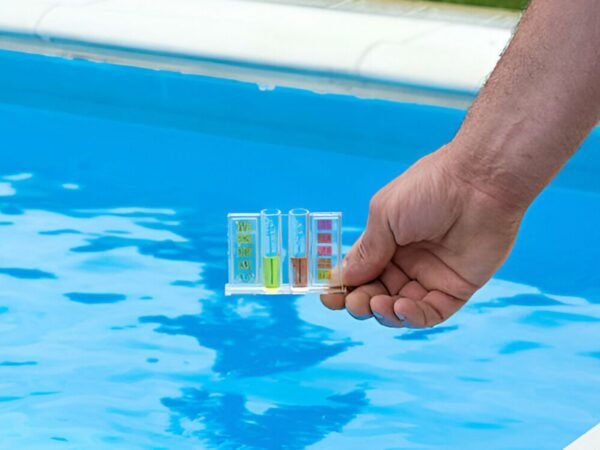
A professional water analysis often reveals issues that aren’t visible to the eye. Water may appear perfectly clear while still containing minerals, bacteria, or chemical contaminants that require attention.
Why Modern Treatment Systems Work Better Together
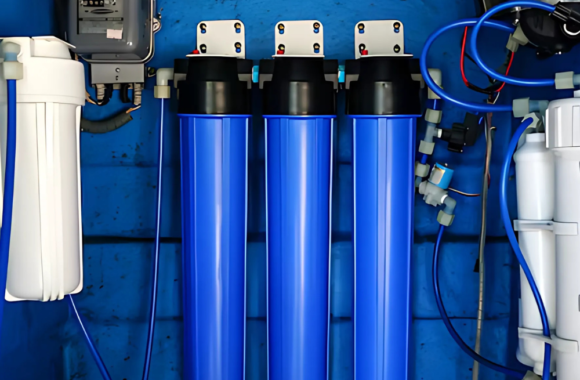
Years ago, many treatment systems relied on a single piece of equipment to solve multiple problems. Today, professionals usually recommend combining several technologies that complement one another.
Mechanical filtration removes suspended particles.
Water softeners reduce hardness.
Activated carbon improves taste and odor.
Disinfection systems target microorganisms.
Chemical dosing controls scaling or biological growth.
Working together, these individual components create a far more reliable treatment process than any one device could accomplish on its own.
That’s really the beauty of modern water treatment—each stage supports the next.
Precision Matters in Chemical Feed Systems
Accurate dosing has become one of the biggest advances in water management over the past decade. Instead of manually adding treatment products, facilities increasingly depend on automated chemical feed systems that deliver consistent amounts based on flow rates or water demand.
This level of precision offers several advantages.
Chemicals aren’t wasted through overfeeding.
Equipment receives better protection from corrosion or scale.
Water quality remains more stable throughout daily operation.
Operators also spend less time making constant manual adjustments, allowing maintenance teams to focus on preventive care rather than reacting to problems.
In many industrial and commercial settings, automation has significantly improved both efficiency and operating costs.
Choosing the Right Water Treatment Products
Treatment products aren’t one-size-fits-all. Every application requires careful consideration of water chemistry, equipment materials, and desired results.
Selecting quality water treatment chemicals plays a major role in maintaining consistent performance. Products designed specifically for scale prevention, corrosion control, oxidation, or disinfection help protect plumbing, pumps, heat exchangers, and storage systems from unnecessary wear.
Using the wrong formulation, on the other hand, can reduce effectiveness or even create additional maintenance issues over time.
That’s why experienced water professionals emphasize compatibility instead of simply choosing the least expensive option.
Sometimes paying a little more upfront saves considerably more in future repairs.
Filtration Is Only Part of the Solution
Many people assume filtration alone produces safe water. While filters remove sediments and certain contaminants, they don’t necessarily eliminate bacteria, viruses, or other microorganisms.
That’s where additional treatment methods become valuable.
Some systems include reverse osmosis for dissolved solids.
Others rely on oxidation followed by filtration.
Many combine several treatment stages to achieve both safety and improved water quality.
Rather than viewing these technologies as competing options, it’s more helpful to think of them as pieces of the same puzzle.
UV Technology Continues to Gain Popularity
One treatment method that’s earned widespread trust over the years is ultraviolet disinfection. Instead of introducing additional chemicals into the water, uv ultraviolet systems use carefully controlled UV light to deactivate bacteria, viruses, and other microorganisms.
The process happens almost instantly as water flows through the chamber.
Because nothing is added to the water itself, taste and odor remain unchanged, making UV particularly attractive for homes, healthcare facilities, food processing plants, and commercial applications.
Of course, UV equipment works best when paired with proper filtration. Clear water allows ultraviolet light to penetrate more effectively, maximizing the disinfection process.
It’s another example of how different technologies support one another rather than replacing each other.
Maintenance Often Determines Long-Term Success
Even the best-designed treatment system requires occasional attention.
Filters need replacement.
Chemical supplies must be monitored.
Pumps require inspection.
UV lamps eventually reach the end of their service life.
Ignoring routine maintenance rarely causes immediate failure, but performance usually declines gradually. Small issues become larger ones if left unaddressed for too long.
Creating a simple maintenance schedule helps avoid expensive emergency repairs while extending the life of the entire system.
It’s much easier to replace a filter during planned maintenance than to troubleshoot poor water quality after something stops working.
Investing in Better Water Is Investing in Reliability
Clean water supports far more than drinking. It protects appliances, improves manufacturing consistency, extends plumbing life, and helps businesses maintain regulatory compliance.
Homeowners appreciate cleaner showers, softer laundry, and better-tasting drinking water.
Commercial operators benefit from reduced downtime, lower maintenance costs, and more predictable system performance.
These long-term advantages often outweigh the initial investment in quality treatment equipment.
Reliable water simply makes everything else work a little better.
Final Thoughts
Water treatment isn’t about chasing the newest technology or installing the most expensive equipment available. It’s about understanding the unique characteristics of a water supply and selecting solutions that work together efficiently.
Whether that includes filtration, automated dosing, ultraviolet disinfection, or specialized treatment products, each component contributes to a healthier and more dependable system. When equipment is properly maintained and treatment methods are matched to the water’s specific needs, the results are noticeable—not only in water quality but also in reduced maintenance, improved efficiency, and greater peace of mind.
In the end, the smartest water treatment systems aren’t necessarily the most complicated. They’re the ones designed thoughtfully, maintained consistently, and built to deliver safe, reliable water every single day.