A roof has a funny way of becoming invisible when it’s doing its job. You don’t think much about it on a sunny afternoon. Then a heavy storm rolls through, you notice a brown mark on the ceiling, and suddenly the roof is all you can think about.
The tricky part is knowing what happens next. Does a small leak mean you need a new roof? Is a few missing shingles a major concern? Or can a qualified contractor fix the problem without turning it into a much bigger project?
The answer depends on the roof’s age, condition, materials, and the extent of the damage. Understanding the difference between a repair and a replacement can save homeowners money, stress, and quite a few unnecessary headaches.
Don’t Ignore the Small Warning Signs
Roof problems rarely become serious overnight. More often, they start quietly.
You might notice a loose shingle after a windy day, granules collecting in the gutters, a small water stain on the ceiling, or sunlight showing through an attic space. None of these signs should automatically cause panic, but they shouldn’t be brushed aside either.
Small issues can become more expensive when moisture gets underneath roofing materials. Water may eventually affect insulation, decking, drywall, framing, or even electrical components. In other words, that little stain you spotted in the corner of the bedroom may not actually be a little problem.
Getting an inspection early is usually a smarter move than waiting for the next storm to reveal what’s happening.
When a Repair Makes Sense
Not every damaged roof needs to be replaced. In fact, replacing an otherwise healthy roof because of a localized problem can be a needless expense.
Minor leaks, a few damaged shingles, flashing problems, and limited areas of wind damage can often be addressed with roof repairs. The key is determining whether the damage is isolated or part of a larger pattern.
For example, imagine a roof that is only several years old and has a handful of shingles damaged during a severe windstorm. If the underlying structure and surrounding materials are still in good shape, repairing the affected section may be all that’s needed.
Repairs also make sense when the roof has been properly maintained and hasn’t developed widespread deterioration.
Of course, the quality of the repair matters. A quick patch may look fine from the ground but fail again if the underlying cause hasn’t been addressed. That’s why homeowners should focus on finding someone who investigates the source of the problem rather than simply covering the visible symptom.
Age Changes the Conversation
Roofing materials have different expected lifespans, and age is one of the biggest factors contractors consider.
A roof near the end of its service life may continue to develop leaks even after individual problems are repaired. At some point, repeatedly fixing one area after another stops being practical.
This doesn’t mean an older roof automatically needs to be replaced tomorrow. Maintenance, local weather, installation quality, ventilation, and material type all influence longevity.
Still, if a roof is aging and showing several signs of deterioration at once—such as curling shingles, widespread granule loss, cracked materials, sagging areas, and recurring leaks—it’s worth discussing longer-term options instead of simply applying another temporary fix.
Knowing When Replacement Is the Better Investment
Sometimes the damage is simply too widespread for repairs to make financial sense. When a roof has extensive deterioration, repeated leaks, structural problems, or major storm damage, full replacements may offer a more reliable solution.
Replacement can also make sense when repair costs are becoming frequent and unpredictable. Think of it like maintaining an old car: replacing one component at a time can work for a while, but there comes a point when you’re spending money simply to keep an aging system going.
A new roof can also provide an opportunity to correct underlying issues. Poor ventilation, inadequate flashing, outdated materials, or previous installation mistakes can be addressed as part of a properly planned project.
Naturally, a replacement is a larger investment, so homeowners should never feel pressured into making the decision without understanding why it is necessary.
Choosing the Right Roofing Material
If replacement is on the table, material selection becomes an important part of the conversation. Asphalt shingles remain popular because they offer a balance of cost, appearance, durability, and relatively straightforward installation.
Among the available options, Owens Corning shingles are one example of a recognized roofing product line homeowners may encounter when comparing materials. The right choice, however, isn’t simply about picking a familiar brand. Homeowners should consider the specific shingle type, warranty terms, installation requirements, climate, and the contractor’s experience with the product.
A good roofing material can still perform poorly if it is installed incorrectly. That’s an easy detail to overlook when shopping based on brochures and product photographs.
Get More Than a Quick Opinion
Roofing estimates can vary, sometimes quite a bit. That doesn’t necessarily mean someone is trying to overcharge you. Different contractors may recommend different solutions based on what they see.
Still, homeowners should ask questions.
What exactly is damaged? How much of the roof is affected? Is the decking still sound? What caused the problem? Could ventilation or flashing be contributing to it? What happens if the repair doesn’t hold?
A detailed inspection and written estimate can make these conversations much easier. If a contractor immediately recommends a complete replacement without explaining the condition of the existing roof, getting another professional opinion is reasonable.
Don’t Forget About Ventilation and Gutters
Roof performance isn’t just about shingles. Attic ventilation plays an important role in managing heat and moisture, while gutters and downspouts help move rainwater away from the roof and foundation.
Blocked gutters can cause water to back up around roof edges. Poor attic ventilation can contribute to excess moisture and premature material deterioration. These aren’t always obvious problems when you’re standing in the driveway looking upward.
During an inspection, it’s worth asking about the whole roofing system rather than focusing only on visible shingles.
Storm Damage Deserves Prompt Attention
After hail, high winds, heavy rain, or falling branches, inspect the roof as soon as it is safe to do so. Damage isn’t always dramatic. Shingles can be loosened, cracked, or lifted without creating an immediate leak.
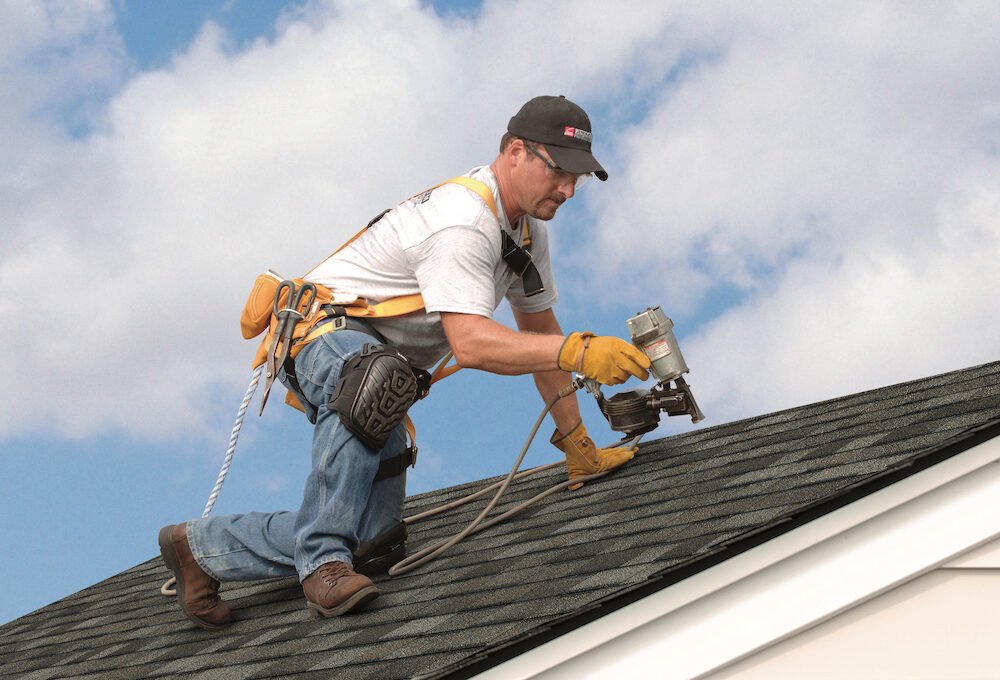
If you suspect storm damage, take photographs from safe locations and arrange an inspection. Avoid climbing onto the roof yourself unless you have the proper training and equipment. A roof can be surprisingly dangerous, particularly when surfaces are wet or damaged.
A Roof Is an Investment, Not Just an Expense
The best roofing decision isn’t always the cheapest one today. It’s the choice that makes sense for the roof’s current condition, expected lifespan, and the homeowner’s long-term plans.
Sometimes that means making a straightforward repair and moving on. Other times, continued repairs are simply delaying an inevitable replacement. The important thing is knowing which situation you’re dealing with.
Pay attention to small warning signs, schedule inspections when something looks unusual, ask practical questions, and don’t be afraid to get a second opinion. A well-maintained roof may not be the most exciting part of a home, but it quietly protects almost everything underneath it.
And really, that’s the point. You shouldn’t have to think about your roof every day. You just want to know that when the next big storm arrives, it’s ready to do its job.