Clean water is something most of us take for granted—until the taste changes, a strange smell appears, or cloudy water starts coming from the tap. At that point, the question isn’t simply whether the water looks clean. It’s whether it’s actually safe and suitable for everyday use.
That’s where professional water quality inspections become useful. A proper inspection goes beyond taking a quick sample and sending it away. It can involve checking plumbing, identifying possible sources of contamination, evaluating treatment equipment, and understanding what’s happening inside the water system. For homeowners, it’s a practical way to replace guesswork with information.
Why Water Quality Can Change Without Warning
Water quality isn’t always consistent. A home’s water may be affected by its source, plumbing materials, seasonal changes, nearby construction, agricultural activity, or aging treatment equipment.
Even municipal water supplies, which are regulated and routinely monitored, can encounter issues between the treatment plant and a home’s faucet. Well water has its own set of concerns, including naturally occurring minerals, bacteria, iron, manganese, sulfur compounds, and other substances.
Sometimes the warning signs are obvious. Rust-colored stains, a rotten-egg odor, unusual hardness, or a metallic taste can all suggest that something deserves attention. But some contaminants have no color, smell, or taste at all. That’s why relying only on your senses isn’t enough.
A professional assessment can help identify what needs to be investigated instead of encouraging homeowners to buy a treatment system based on symptoms alone.
What Happens During a Water Quality Inspection?
A thorough inspection usually starts with questions. Where does the water come from? Is it municipal or from a private well? Have there been recent plumbing repairs? Has the household noticed changes in taste, odor, pressure, or appearance?
The inspector may then examine faucets, pipes, storage tanks, filtration equipment, water softeners, and other components. This matters because water quality problems don’t always originate at the source. Sometimes the plumbing or treatment equipment is part of the story.
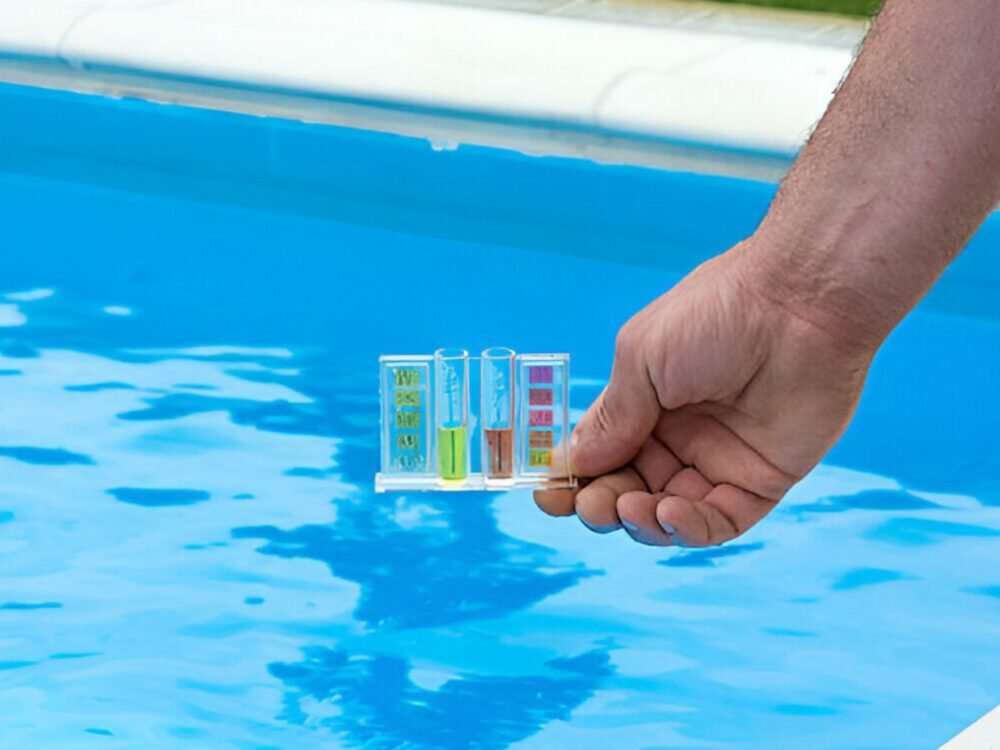
The water sample itself is another important piece. Depending on the situation, testing may examine factors such as pH, hardness, chlorine, iron, manganese, nitrates, bacteria, lead, or other contaminants. The exact testing panel should be based on the home’s water source and known concerns.
A good inspection isn’t about testing everything under the sun. It’s about testing intelligently.
Why Rigorous Testing Matters
A homeowner might collect a glass of water and think, “It looks perfectly fine.” That’s understandable. Unfortunately, appearance tells only a small part of the story.
rigorous testing can reveal substances that aren’t noticeable during normal use. For example, certain contaminants may be present at levels that don’t affect taste or smell. Testing can also establish a baseline, which becomes valuable if water quality changes later.
Testing is especially important for homes with private wells. Unlike public systems, private wells generally place more responsibility on the homeowner for monitoring water quality. A change in land use nearby, flooding, heavy rainfall, or problems with the well itself can potentially affect the water.
The results shouldn’t simply be handed over as a sheet full of numbers, either. A useful professional will explain what those numbers mean, which findings actually matter, and what steps—if any—should follow.
The Role of a Free Water Test
For homeowners who are unsure where to begin, a free water test can be a convenient first step. It may help identify common concerns and provide a clearer picture of whether further laboratory testing or treatment evaluation makes sense.
However, “free” shouldn’t automatically mean “complete.” Homeowners should ask what the test measures, how samples are collected, and whether the results are intended as a preliminary screening or a comprehensive analysis.
That distinction matters. A basic screening can be useful for spotting common issues such as hardness, chlorine, iron, or pH concerns, while more specialized laboratory testing may be necessary for contaminants that require precise analytical methods.
Think of a preliminary test like a first conversation with your water system. It can point you in the right direction, but it may not answer every question.
Choosing the Right Water Treatment
Once the water has been evaluated, treatment decisions become much easier.
Hard water, for instance, may call for a water softener designed to reduce calcium and magnesium. Sediment problems can often be addressed with appropriate filtration. Chlorine and unpleasant tastes may require activated carbon filtration, while certain dissolved contaminants may need more specialized technologies.
Reverse osmosis systems can be useful for targeted drinking-water treatment, particularly at a kitchen faucet. Whole-home filtration may make more sense when the concern affects water throughout the property.
The important thing is matching the technology to the problem. Buying an expensive system simply because it sounds advanced isn’t necessarily smart. A treatment system should address an identified water-quality concern, fit the household’s water usage, and be maintained properly.
Why the Final Inspection Shouldn’t Be Skipped
Installing a treatment system isn’t necessarily the end of the process. Equipment needs to be checked, connections inspected, settings reviewed, and performance confirmed.
A proper final inspection provides an opportunity to make sure the system was installed correctly and is functioning as intended. It can also catch small issues before they turn into frustrating problems—poor drainage, incorrect settings, leaks, pressure issues, or improperly connected components, for example.
For homeowners, this final step brings a little peace of mind. You don’t want to discover six months later that a system wasn’t configured properly from day one.
Maintenance matters, too. Filters have replacement schedules. Water softeners need salt or other routine care depending on the design. Reverse osmosis systems require filter and membrane maintenance. Ignoring these tasks can gradually reduce performance.
Water Testing Is Really About Understanding Your Home
One of the biggest mistakes homeowners make is treating water quality as a one-time problem. Water systems change. Plumbing ages. Wells can be affected by environmental conditions. Treatment equipment wears down.
That doesn’t mean everyone needs constant testing. It simply means that unusual changes shouldn’t be ignored.
If water suddenly develops an odor, changes color, tastes different, leaves unexpected stains, or causes appliances to perform poorly, it’s worth finding out why. Testing can help separate a genuine water-quality concern from something as simple as an old filter or plumbing issue.
And sometimes the results come back reassuring. That’s useful information too.
A Better Way to Think About Clean Water
Water treatment shouldn’t be about buying the biggest system or chasing every possible contaminant. It should begin with understanding the water you actually have.
A thoughtful inspection, appropriate testing, professional interpretation, and correctly selected treatment equipment can create a much more sensible approach. It saves homeowners from unnecessary upgrades while making it easier to address genuine problems when they appear.
After all, clean water isn’t just about what comes out of the tap today. It’s about knowing where that water comes from, understanding what’s in it, and making sure the system delivering it continues to work properly.
That little bit of knowledge can go a surprisingly long way.