Water is one of those things we rarely think about until something seems wrong. Perhaps your morning tea tastes a little strange, white marks keep appearing on the bathroom taps, or your laundry comes out looking dull despite using a good detergent. Sometimes these small annoyances point to issues with the water entering your home. Other times, they’re simply signs that your plumbing or appliances need attention. Either way, understanding your water is a useful first step toward making everyday life more comfortable.
Clean-looking water isn’t always free from unwanted substances, and water that tastes unusual doesn’t necessarily mean it’s unsafe. The important thing is to understand what’s actually in your supply before spending money on equipment you may not need.
Start by Understanding Your Water
Water quality varies from one property to another. Municipal supplies are treated and monitored, but their mineral content and characteristics can still differ depending on the source and distribution system. Homes that rely on private wells may face different concerns, including naturally occurring minerals, sediment, bacteria, or other contaminants.
Even two houses on the same street can experience different problems. Older plumbing, local geology, household usage, and the condition of storage tanks can all influence what comes out of the tap.
That’s why effective water filtration begins with identifying the problem rather than choosing a product based on advertising. A simple water test can help establish whether you need to address hardness, sediment, taste, odor, or a particular contaminant. Depending on your supply, testing may involve a certified laboratory or a qualified water treatment professional.
Pay attention to changes, too. A sudden shift in color, smell, or taste deserves investigation, especially if it affects several taps at once. Don’t assume that boiling or running the water for a few seconds will resolve every concern.
Why One Filter Doesn’t Solve Every Problem
Water treatment equipment is designed for specific purposes. A sediment filter, for example, catches suspended particles such as sand, silt, and rust flakes. It can help protect downstream equipment, but it won’t necessarily remove dissolved minerals or chemical contaminants.
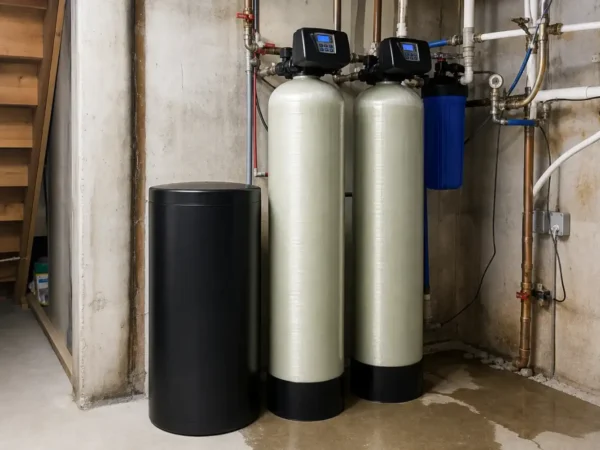
Activated carbon filters are commonly used to reduce chlorine taste and odor, along with certain organic compounds. Reverse osmosis systems can reduce many dissolved substances, although performance depends on the membrane, the system design, and the specific contaminant. Water softeners serve a different role: they reduce hardness minerals, helping to limit scale buildup on fixtures and appliances.
The distinction matters because no single filter removes everything. A system that improves taste might not address microbiological contamination, while a softener isn’t designed to make contaminated water safe to drink.
Look for equipment supported by independent testing and certifications relevant to your actual concern. Product labels should explain what the system is intended to reduce, rather than relying on vague promises about purity. If your water contains a potentially dangerous contaminant, choose treatment based on reliable test results and follow professional guidance where necessary.
Should You Treat Water at Every Tap?
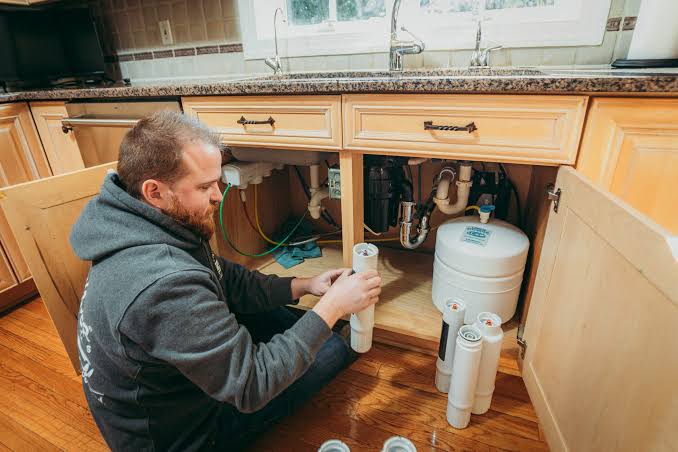
For some households, treating drinking water at one kitchen tap is enough. A point-of-use filter can be a sensible option when the main concern is taste, odor, or a specific drinking-water contaminant. It’s often less expensive to install and maintain than a system serving the entire property.
Other homes may benefit from whole-home filtration, particularly when sediment, chlorine-related concerns, or certain water characteristics affect showers, laundry, plumbing fixtures, and appliances as well as drinking water.
A whole-house system is typically installed where the water supply enters the property. That means treated water can reach multiple taps and appliances, depending on the system’s configuration. It may help protect plumbing equipment from sediment or improve certain aspects of household water quality throughout the home.
Still, bigger doesn’t automatically mean better. These systems can cost more upfront, require space, and involve replacement filters or other routine maintenance. Some treatment methods also reduce water pressure if incorrectly sized or poorly maintained.
Consider how many people live in your home, how much water you use, and which problems you want to solve. A household with frequent sediment issues may have different needs from an apartment where the only complaint is an unpleasant chlorine taste.
Everyday Benefits You May Notice
The right treatment system can make ordinary household tasks more pleasant. Water with reduced sediment may leave fewer particles in fixtures and help protect certain appliances. Addressing hard water can reduce mineral scale on showerheads, taps, and heating elements. Improving taste and odor may also make drinking water more appealing, encouraging family members to refill a glass rather than reach for bottled alternatives.
These improvements are practical, but it’s worth keeping expectations realistic. Filtration won’t repair damaged plumbing, fix a leaking water heater, or eliminate every mark on a glass shower screen. Some stains come from minerals that need a different treatment approach, while others may require changes to cleaning methods or plumbing maintenance.
The goal is better water suited to your household’s needs, not a promise that every water-related problem will disappear overnight.
Maintenance Is Part of the Deal
Even a well-designed system needs attention. Filters gradually collect particles or lose their effectiveness, depending on their type and the water passing through them. Leaving them unchanged beyond the manufacturer’s recommended interval can reduce performance and, in some cases, create hygiene concerns.
Keep a record of installation dates and replacement schedules. Check for leaks, unusual noises, pressure changes, and warning indicators if your system has them. Follow the manufacturer’s instructions for cleaning and sanitizing equipment, particularly when the system includes a storage tank or components that contact drinking water.
If your household uses well water, routine testing is especially important because conditions can change over time. Heavy rainfall, flooding, nearby construction, or changes to the well itself may affect water quality. Treatment equipment should be checked against fresh test results rather than assumed to work indefinitely.
Choosing a System Without Overspending
Before buying anything, write down your main concerns. Is the water cloudy? Does it have a strong smell? Are scale deposits appearing around fixtures? Or has a laboratory test identified a specific contaminant? Clear answers make it easier to compare options.
Ask installers about flow rate, maintenance costs, filter availability, warranties, and the exact substances their equipment is designed to reduce. Request a written estimate that separates equipment, installation, and recurring service expenses. A low initial price may not represent good value if replacement cartridges are difficult to find or expensive to maintain.
Be cautious of anyone who claims your water is dangerous without proper testing or pressures you to buy a complete system immediately. A trustworthy professional should explain the results, discuss alternatives, and help you understand what each option can and cannot accomplish.
A Sensible Approach to Cleaner Household Water
Good water treatment isn’t about owning the most complicated equipment. It’s about understanding your supply, choosing a solution that addresses the real issue, and maintaining it properly.
Start with reliable information, invest where the evidence points, and review the system as your household’s needs change. Sometimes a simple filter is all that’s required. In other cases, a combination of treatments makes more sense.
Either way, a thoughtful decision can improve everyday comfort, protect suitable household equipment, and give you greater confidence in the water you use each day. The best solution is the one that works reliably for your home, without adding unnecessary expense or complexity.