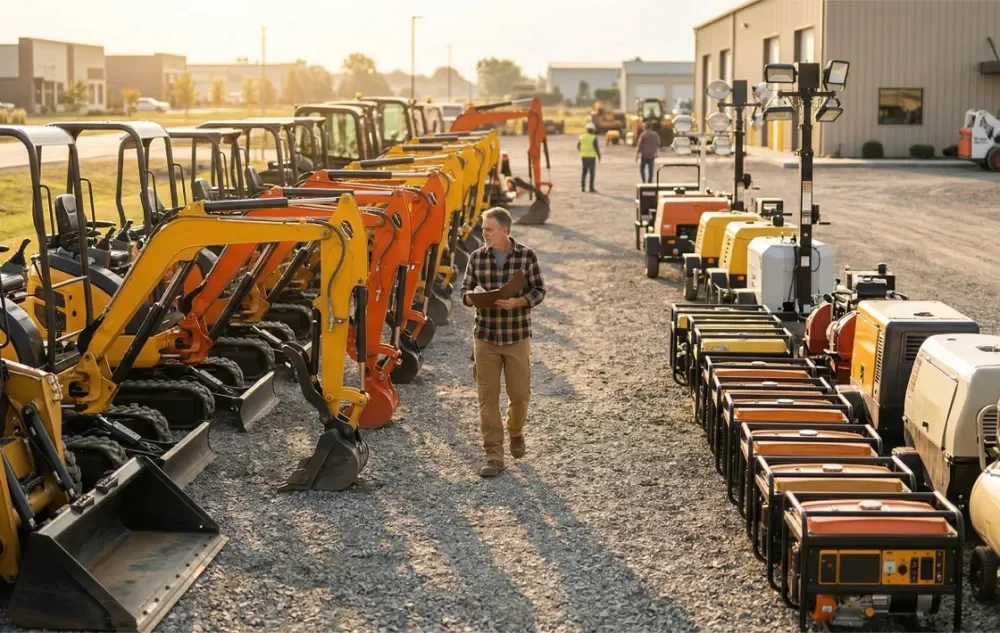
The right equipment can make a difficult job feel manageable. The wrong equipment, on the other hand, can slow down a project, increase operating costs, and leave a team scrambling when deadlines are already tight. Whether you’re managing a construction site, running a small business, or handling projects that require specialized machinery, choosing how to obtain and care for equipment deserves a little thought.
Buying isn’t always the best answer. Some machines are needed for only a few weeks, while others become essential parts of daily operations. Even reliable equipment eventually needs repairs, and there comes a point when keeping an older machine running costs more than replacing it. These decisions are rarely as simple as comparing two prices on a page.
A practical equipment strategy considers the full picture: how often a machine will be used, what it costs to keep operating, how quickly it can be made available, and whether it will still meet future needs. Getting those details right can help businesses control expenses without sacrificing productivity.
Renting Equipment When You Need Flexibility
Not every project justifies purchasing a machine outright. A contractor might need a particular lift for one phase of a building project, while a landscaping company may require specialized machinery only during its busiest season. Buying equipment for occasional use can tie up money that could be put toward labor, materials, or other business priorities.
That’s where equipment rentals can provide a useful alternative. Renting allows businesses to access machinery for a defined period without taking on the full purchase cost. It can also make it easier to select different equipment for different jobs instead of expecting one machine to handle every situation.
There are a few things to consider before signing a rental agreement. Start with the length of the project and the expected hours of use. Then check the rental rate, delivery and collection charges, fuel requirements, insurance responsibilities, and any fees for late returns. A low advertised price may not represent the final cost.
Availability matters, too. If a machine is essential to keeping a project on schedule, confirm that it will be delivered when required and that a replacement or service arrangement exists if something goes wrong. It’s also important to make sure operators have the necessary training and authorization.
Renting works particularly well when demand changes from month to month. However, if a business uses the same machine almost every day, ownership may eventually become more economical. The decision should be based on actual use rather than habit.
Why Equipment Maintenance Should Never Be an Afterthought
Machinery doesn’t usually fail at a convenient time. A small leak, worn belt, damaged cable, or neglected filter may seem insignificant during a routine inspection, yet it can develop into a costly breakdown when the equipment is under pressure. Regular care helps reduce these risks and gives operators a better chance of spotting problems early.
Good maintenance starts with the manufacturer’s instructions and a realistic service schedule. Depending on the equipment, this may include checking fluid levels, inspecting tires or tracks, cleaning filters, lubricating moving parts, testing safety features, and replacing worn components. Some machines also require periodic professional inspections.
Daily checks are valuable, even when they take only a few minutes. Operators can look for visible damage, unusual noises, loose fittings, fluid leaks, or warning lights before starting work. Any suspected safety defect should be addressed before the machine is used again.
Recordkeeping is another habit worth developing. A maintenance log can include service dates, repairs, operating hours, parts replaced, and recurring concerns. These records help identify patterns that might otherwise be missed. If the same component keeps failing, for instance, the underlying cause may need attention rather than another temporary repair.
Preventive maintenance does involve time and money. But compare that expense with emergency repairs, missed deadlines, equipment downtime, and possible damage to other components. In many cases, a planned service visit is the less expensive option.
Choosing Between Repairing and Replacing
An aging machine can become a difficult business decision. It may still perform its main function, but repairs are becoming more frequent, parts are harder to find, and operators have learned to work around its limitations. At what point does keeping it make less sense than replacing it?
There isn’t one answer for every situation. Begin by reviewing recent repair costs and comparing them with the machine’s current value and expected remaining service life. Consider how often it has been unavailable, whether replacement parts are still supported, and how much productivity is lost when the equipment is out of action.
Safety should carry significant weight. If a machine cannot be maintained in a safe operating condition, continued use isn’t justified simply because replacing it would be expensive. Follow applicable inspection requirements and seek qualified technical advice when the equipment’s condition is uncertain.
It is also worth looking beyond the repair invoice. An older machine may consume more fuel, require more operator attention, or lack features that would improve efficiency. These indirect costs can add up over time, particularly for businesses that depend on the equipment every working day.
When a Trade-In or Upgrade Makes Sense
Replacing equipment doesn’t always mean starting from scratch financially. Depending on the supplier, machine condition, age, and resale market, a trade-in may help reduce the purchase price of a newer model. This can be especially appealing when the current machine still has some market value but no longer meets the business’s requirements.
A trade-in & upgrade option can simplify the transition by combining the disposal of existing equipment with the purchase of a replacement. Still, the convenience should not be the only factor. Obtain a clear trade-in valuation and compare it with other realistic resale options. Ask whether the quoted value depends on purchasing a particular model or package.
When considering an upgrade, focus on improvements that matter in daily work. Better fuel efficiency, increased capacity, easier servicing, improved operator comfort, or modern safety features may justify the investment. A machine with impressive specifications isn’t necessarily a good purchase if those capabilities won’t be used.
Think about the total cost of ownership as well. Include financing, insurance, maintenance, expected fuel consumption, parts availability, and the likely resale value at the end of the ownership period. A newer machine may cost more upfront but offer meaningful savings over several years. Alternatively, the older model may remain perfectly suitable for a business with modest operating demands.
Planning Equipment Needs Around Real Work
Equipment decisions become easier when businesses review their workloads regularly. Look at upcoming contracts, seasonal demand, current machine utilization, and any projects that may require specialized capabilities. This can reveal where renting makes sense, which assets deserve additional maintenance, and which machines are approaching the end of their useful life.
It’s helpful to involve the people who actually use the equipment. Operators often notice practical issues that aren’t obvious from financial reports, such as difficult controls, poor visibility, or recurring performance problems. Their feedback can help decision-makers avoid paying for features that look attractive on paper but offer little benefit on site.
Businesses should also plan for unexpected changes. A sudden increase in demand may make short-term rentals more practical than an immediate purchase. A major repair may justify reassessing whether the current machine still belongs in the fleet. Flexibility comes from reviewing the situation before a crisis forces a decision.
Build a Strategy That Supports Long-Term Results
Equipment is an investment in getting work done, not simply another item on a balance sheet. The best choice depends on the job, the budget, and how the machine will be used over time. Renting can provide flexibility, routine maintenance can protect reliability, and a carefully planned upgrade can improve performance when older equipment no longer meets expectations.
Take time to compare the real costs, ask practical questions, and listen to the people who work with the machinery every day. A little planning now can prevent expensive surprises later.
Most importantly, don’t wait for a breakdown to review your equipment strategy. When businesses understand their needs and make decisions based on evidence rather than urgency, they can keep projects moving, manage spending more confidently, and get greater value from every machine they use.