Water problems have a way of becoming part of everyday life before we fully realise what’s happening. You might spend a few extra minutes scrubbing mineral marks from the shower, replace a kettle that keeps collecting scale, or open the kitchen tap and notice an unpleasant smell. None of these things necessarily means there’s a serious problem, but they’re worth understanding rather than simply working around them.
The good news is that improving household water doesn’t have to be an overwhelming project. The process becomes much easier when you identify the issue, compare suitable treatment options, and plan for the equipment to be installed and maintained properly. A little preparation at the beginning can save money and prevent plenty of frustration later.
Begin With a Clear Picture of Your Water
Before choosing a filter or softener, consider what you’re experiencing. White deposits often point toward hard water, while orange staining can be associated with iron. A rotten-egg smell may indicate hydrogen sulfide, although plumbing conditions and other factors can sometimes produce unusual odors. These clues are helpful, but they don’t replace proper testing.
Water quality depends on the source, local geology, plumbing, and existing treatment. Municipal water supplies are generally treated before distribution, while private wells can vary considerably depending on their surroundings and maintenance. Even two homes in the same neighbourhood may have different issues.
A suitable water test helps establish which characteristics deserve attention. Depending on the source and symptoms, testing may cover hardness, pH, iron, sulfur-related compounds, bacteria, or other contaminants. If the concern involves health-related substances, use an appropriate testing method, potentially including analysis by a certified laboratory.
Once the results are available, you’ll have a more useful basis for comparing equipment. Instead of buying the system with the longest list of features, you can focus on what your water actually needs.
Why Professional Installation Matters
Choosing the right equipment is only one part of the process. A system must also be installed correctly, connected securely, and sized for the household’s water demand. Poor placement or incorrect plumbing connections can lead to leaks, reduced pressure, difficult maintenance, and disappointing performance.
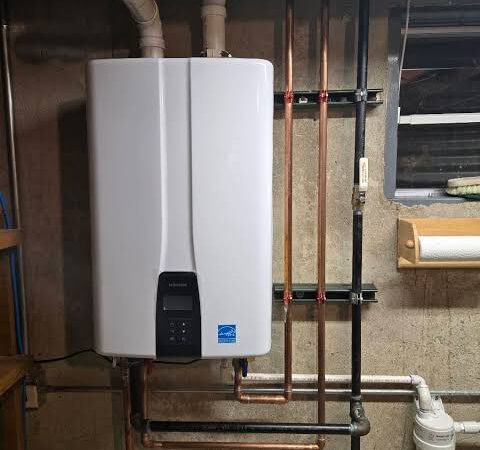
Professional installation services can help homeowners work through these practical details. Depending on the equipment, installation may involve selecting a suitable location, connecting the unit to the water supply, arranging drainage, checking pressure requirements, and following the manufacturer’s setup instructions. Some systems are relatively straightforward, while others require more extensive plumbing work.
Before the work begins, ask the installer to explain the proposed setup. Where will the equipment sit? Will it affect water pressure? Are any plumbing changes required? How will the system be flushed, tested, and checked for leaks before regular use? These aren’t difficult questions, and a reliable professional should be comfortable answering them.
It’s also sensible to request a written estimate that separates equipment, labour, materials, and any additional work. That makes it easier to understand the overall cost and compare proposals fairly. A low initial quote can look attractive, but it may not include everything needed to complete the job properly.
Addressing Iron and Sulfur in Household Water
Some water problems affect more than taste. Iron may leave reddish or brown stains on sinks, toilets, laundry, and plumbing fixtures. Sulfur-related compounds can create an unpleasant rotten-egg smell that makes even ordinary tasks, such as washing dishes or taking a shower, less enjoyable.
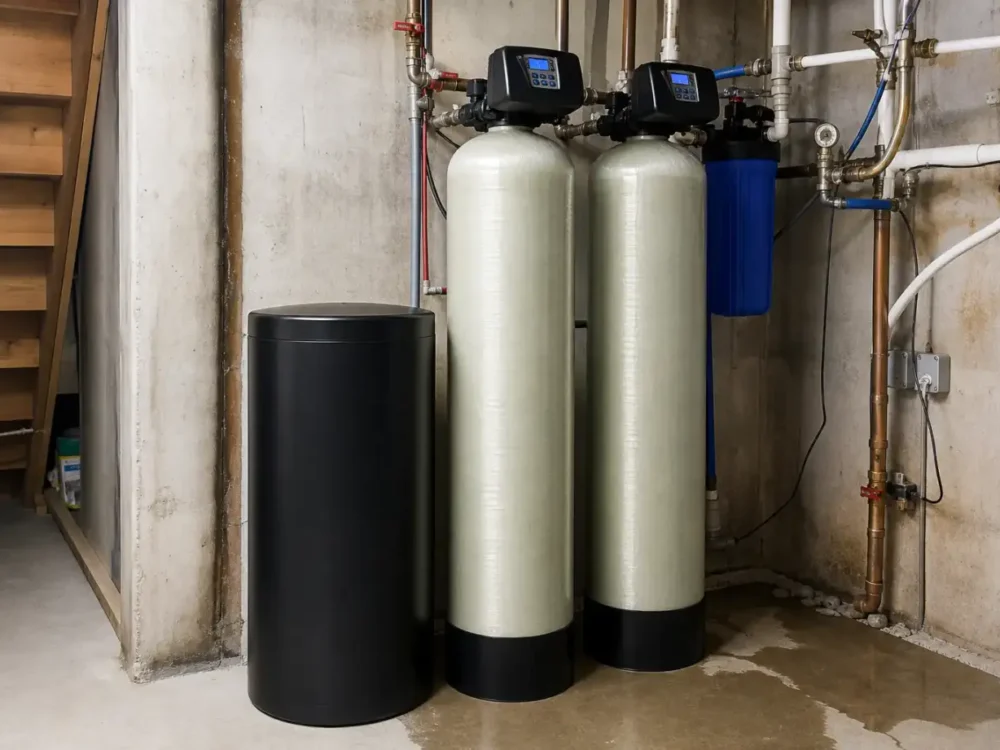
The appropriate iron/sulfur filtration method depends on the substances present and their concentrations. Dissolved iron, suspended iron particles, and hydrogen sulfide do not always respond to the same treatment process. Depending on the test results, a system may use oxidation, specialised filter media, or a combination of treatment stages.
This is why a general-purpose sediment filter isn’t always enough. It may capture visible particles, but it won’t necessarily remove dissolved iron or address a sulfur odor. Similarly, a carbon cartridge should not be assumed to solve every water-quality problem unless its documented performance supports that use.
Testing can also reveal whether other factors, such as pH or hardness, need to be considered. These details may affect how well a treatment system works and how often it requires servicing. A properly selected system can make staining and odors less troublesome, but the expected result should be based on the equipment’s verified capabilities rather than a broad promise.
If your water changes suddenly in color, smell, or appearance, investigate the cause before choosing a treatment device. For private wells, regular testing and appropriate maintenance are especially important.
When Reverse Osmosis Is Worth Considering
Homeowners who are mainly concerned about drinking and cooking water may want a treatment system at the kitchen sink rather than throughout the entire property. Depending on the test results, reverse osmosis systems may be one option to consider.
Reverse osmosis uses pressure to move water through a semipermeable membrane, reducing many dissolved substances. The exact performance depends on the model and the contaminants involved. Some systems can reduce specified salts, metals, and other substances, but no unit should be assumed to remove everything.
Look for independent certification and product documentation that identify which contaminants the system is designed to reduce. This is particularly important when you’re addressing a specific concern rather than simply trying to improve taste.
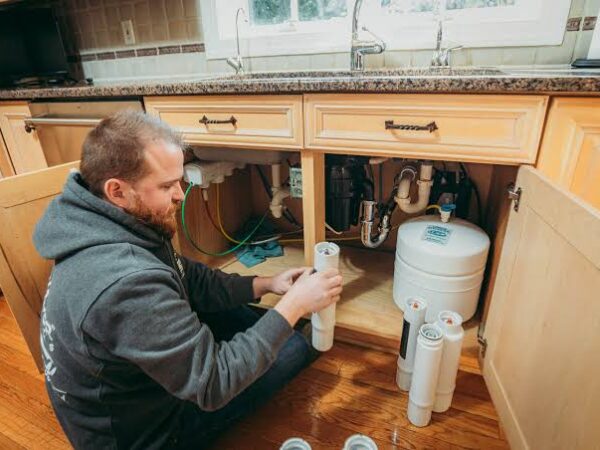
Practical details matter as well. Many under-sink systems include prefilters, a membrane, and sometimes a postfilter. Some use a storage tank, while tankless models are also available. Consider the available cabinet space, water pressure, flow rate, drainage requirements, and replacement costs before making a decision.
Reverse osmosis systems also produce wastewater during operation, and their filters and membranes need periodic replacement. These are normal parts of ownership, but they should be understood before installation. If testing suggests that a simpler filter can meet your needs, a more complex system may not provide enough additional value to justify its cost.
Think About Maintenance Before You Buy
A treatment system is not a one-time purchase that can be forgotten. Filters have a service life, softeners may need salt or regeneration materials, and some equipment requires periodic cleaning or performance checks. If maintenance is neglected, the system may become less effective than expected.
Ask the provider for a clear schedule covering routine servicing and replacement parts. Find out whether you can handle basic tasks yourself or whether professional visits are recommended. It’s also useful to check the availability and price of compatible cartridges before settling on a particular model.
Keep a record of installation dates, filter changes, and water-test results. It may seem like a small administrative task, but it can make future maintenance much easier. If the water’s taste changes or staining returns, those records can help identify whether the system needs attention or the water should be tested again.
Choose a Solution That Fits Your Home
Every property has its own water conditions, plumbing layout, and daily demands. A household dealing with hard water may need a softener, while another may benefit from a dedicated drinking-water filter or treatment for iron and sulfur. Some homes need more than one technology, but combining systems should be based on actual requirements.
Take time to compare performance, installation costs, maintenance, and long-term operating expenses. Ask questions until you understand what the proposed equipment will do and what it won’t do. Be cautious of anyone who promises a universal solution without considering your water test results.
Ultimately, better household water begins with informed decisions. Identify the problem, choose equipment designed for it, and make sure the installation and maintenance are handled properly. With a thoughtful approach, you can build a water-treatment setup that works reliably and fits the way your household lives every day.