A home’s plumbing system is easy to overlook when everything works properly. You turn on the tap, take a shower, run the dishwasher, and expect water to go where it belongs. Most days, that routine happens without a second thought. But a slow drain, a basement that smells damp, or a water heater that suddenly struggles to keep up can quickly change the situation.
Small plumbing problems don’t always stay small. A minor leak can damage cabinets, a blocked drain can disrupt a busy morning, and neglected equipment may eventually require an expensive repair. The good news is that regular inspections, sensible maintenance, and timely professional help can prevent many avoidable headaches.
Pay Attention to the Early Warning Signs
Plumbing trouble often begins quietly. You might hear water running after every tap has been turned off, notice a drop in water pressure, or find a damp patch beneath a sink. These signs are easy to dismiss, especially when life is busy, but they’re worth investigating.
Check exposed pipes, shutoff valves, and the areas around toilets and appliances occasionally. Look for corrosion, moisture, unusual stains, or a musty smell. If your water bill rises unexpectedly without a change in usage, a hidden leak could be responsible. You can check the water meter when no water is being used, following the meter manufacturer’s instructions, to help identify possible continuous flow.
Not every unusual sound means something serious. Pipes can make noise as water moves or temperatures change. Still, persistent banging, repeated dripping, or sudden changes in pressure deserve attention. If a pipe bursts or a major leak develops, shut off the water supply if it is safe to do so and contact a qualified plumber promptly.
Protect Your Basement From Unwanted Water
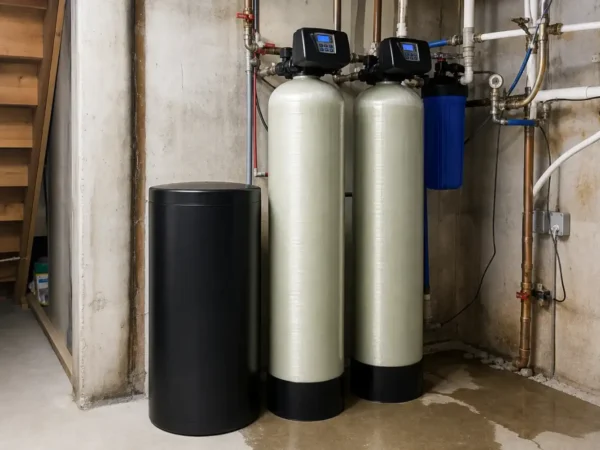
Basements and crawl spaces can be vulnerable to water intrusion, especially during heavy rain, snowmelt, or periods when groundwater levels rise. Even a relatively small amount of water can damage stored belongings, flooring, insulation, and finished walls. Moisture left untreated may also encourage mold growth.
For properties that collect water around the foundation, sump pumps can provide an important line of defense. A sump pump sits in a collection pit and moves accumulated water away from the building when the water level reaches a set point. Depending on the property, the system may operate automatically through a float switch or another sensor.
A sump pump isn’t a replacement for proper drainage, foundation maintenance, or grading around the home. Downspouts should direct rainwater away from the foundation, and drainage systems need to remain clear. If water continues entering the basement despite a functioning pump, a plumbing or drainage professional can help identify the source.
Testing the pump periodically is also worthwhile. Follow the manufacturer’s instructions, check that the discharge line is clear, and listen for unusual noises. If your area experiences power outages during storms, ask whether a battery backup or another backup arrangement is appropriate. A pump that fails during the heaviest rainfall is the last thing any homeowner needs.
Give Your Water Heater the Attention It Needs
Hot water is one of those everyday comforts you barely notice until it disappears. A cold shower before work or a dishwasher that doesn’t clean properly can make a household feel surprisingly uncomfortable. Water heaters usually provide years of service, but their performance depends on the model, water conditions, installation, and maintenance.
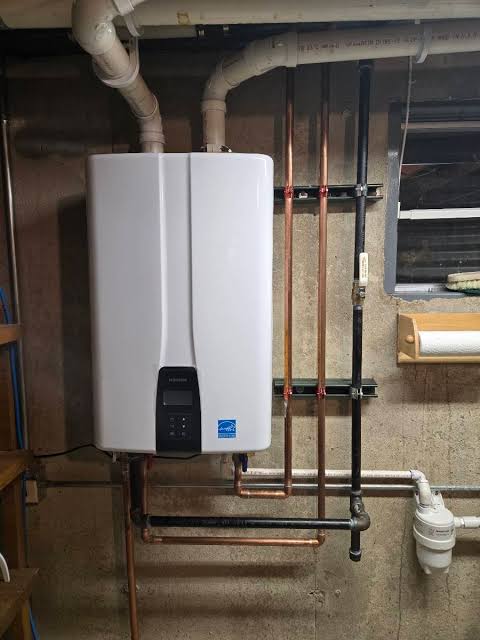
When comparing tank/tankless water heaters, consider how your household uses hot water rather than choosing based on the equipment’s appearance or purchase price alone. Traditional tank heaters store a set volume of heated water, while tankless models heat water as it flows through the unit. Tankless systems can offer continuous hot water within their rated capacity, but their flow rate may limit how many fixtures can run simultaneously.
A tank system may suit households with predictable demand, while a tankless unit can appeal to people interested in saving space or reducing certain standby heat losses. Neither option is automatically better for every home. Installation costs, fuel type, local energy prices, water hardness, maintenance requirements, and expected hot-water demand all matter.
Watch for warning signs such as inconsistent temperatures, unusual noises, visible corrosion, or water around the base of the unit. Leaks and gas-related concerns should be assessed promptly by a qualified professional. Follow the manufacturer’s servicing instructions, and never attempt work on gas connections or electrical components unless you’re properly qualified.
Keep the Kitchen Plumbing in Good Shape
The kitchen is one of the hardest-working areas in any home. The sink handles food preparation, dishwashing, and countless small tasks throughout the day. Because it’s used so frequently, minor plumbing issues can quickly become irritating.
Good kitchen plumbing maintenance begins with simple habits. Avoid pouring cooking grease down the drain, since it can cool, solidify, and contribute to blockages. Scrape food scraps into the bin before washing dishes, and use a suitable sink strainer to catch particles that might otherwise enter the drain.
A garbage disposal, where installed, should be used according to the manufacturer’s guidance. Not every food scrap is suitable for every disposal, and fibrous materials or large amounts of starchy food can cause problems in some units. Never put your hand inside a disposal, even when the switch is off; disconnect power according to the instructions before any permitted maintenance, or call a professional.
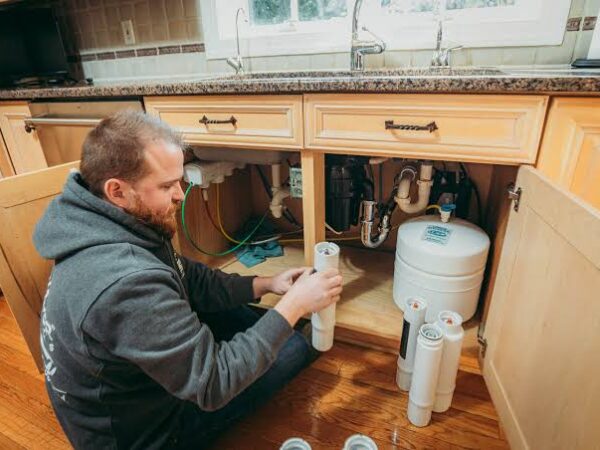
Under the sink, occasionally check the supply hoses, drain connections, and cabinet floor for moisture. Flexible hoses can deteriorate with age, and a slow leak may go unnoticed until the cabinet begins to swell or smell damp. Replacing worn parts before they fail can save considerable trouble.
Drainage Problems Deserve More Than a Quick Fix
A slow-draining sink or shower is common, but repeatedly using chemical drain cleaners may not be the best long-term approach. Some products can damage certain pipes or fixtures if used incorrectly, and they may not remove the underlying cause of a blockage.
Hair, soap residue, grease, and foreign objects can build up inside drains. A strainer, regular cleaning, and sensible disposal habits can reduce the likelihood of clogs. If several fixtures drain slowly at the same time, or sewage odors appear indoors, the problem may involve a larger section of the drainage system.
Persistent blockages, wastewater backups, and recurring gurgling sounds should be evaluated by a licensed plumber. These symptoms can indicate a deeper obstruction or a problem with the venting or sewer line. Getting the cause identified is usually more effective than treating the same symptom every few weeks.
Make Maintenance Part of Your Routine
You don’t need to inspect every pipe in the house every weekend. A simple schedule is enough to catch many issues early. Check visible plumbing and appliance connections every few months, inspect the basement after significant storms, and arrange professional servicing according to the recommendations for your equipment.
Keep records of repairs, installation dates, and maintenance visits. Knowing when a water heater was installed or a hose was replaced makes future decisions easier. If your home has older plumbing or a history of leaks, a professional inspection may be especially useful.
The best plumbing maintenance plan is one you can realistically follow. A few minutes spent checking for leaks or testing a sump pump can prevent damage that takes days to repair. And when something seems beyond a simple fix, getting qualified help early is often the more affordable choice in the long run.
A reliable home plumbing system isn’t just about convenience. It protects your property, supports everyday routines, and gives you one less thing to worry about. With a little attention and timely maintenance, you can keep the water flowing where it should—and avoid many unpleasant surprises along the way.