There’s a particular kind of frustration that comes with owning a home where water leaves its mark on almost everything. White deposits collect around faucets, orange stains appear inside the bathtub, and freshly washed towels never look quite as clean as they should. For families relying on private wells, these problems can gradually become part of everyday life.
Fortunately, appropriate water softening for hardness can help address mineral-related concerns, making household cleaning and appliance maintenance more manageable.
For homeowners across Moorhead, Fargo, and surrounding rural communities, understanding the relationship between hardness, iron, and groundwater quality is essential. The right treatment approach can make a noticeable difference, especially when equipment is selected according to the actual characteristics of your well.
Why Groundwater Contains So Many Natural Minerals
Water doesn’t travel through underground formations without picking up a few things along the way. As it moves through soil and rock, it can absorb calcium, magnesium, iron, and other naturally occurring substances.
The concentrations of these minerals vary depending on geological conditions and the characteristics of individual wells.
Calcium and magnesium are primarily responsible for water hardness. When water evaporates or is heated, these minerals can contribute to stubborn deposits.
Iron creates different challenges, including reddish-brown staining, metallic flavors, and discoloration.
Although both problems may appear in the same household, they require different treatment considerations.
That’s why understanding your particular water supply matters more than simply purchasing equipment based on someone else’s recommendation.
Addressing Rusty Stains Before They Become a Regular Nuisance
Iron-rich water can be especially irritating when you’re trying to maintain a clean home. A freshly scrubbed bathroom may develop orange stains within days, and washing white clothing can become unnecessarily frustrating.
Specialized filtration for iron can help reduce the amount of iron reaching household fixtures, laundry equipment, and other water-using appliances.
The appropriate treatment depends partly on whether the iron is dissolved or already present as suspended particles.
Certain filtration systems use oxidation to convert dissolved iron into particles that can subsequently be captured.
Water chemistry, iron concentration, and the presence of other substances can influence equipment selection.
Rather than relying on temporary cleaning solutions, addressing iron before it travels through your plumbing offers a more practical long-term approach.
When Professional Guidance Makes the Difference
Diagnosing groundwater problems isn’t always straightforward. An unfamiliar odor might originate in a water heater, while reddish particles could come from aging plumbing rather than the well itself.
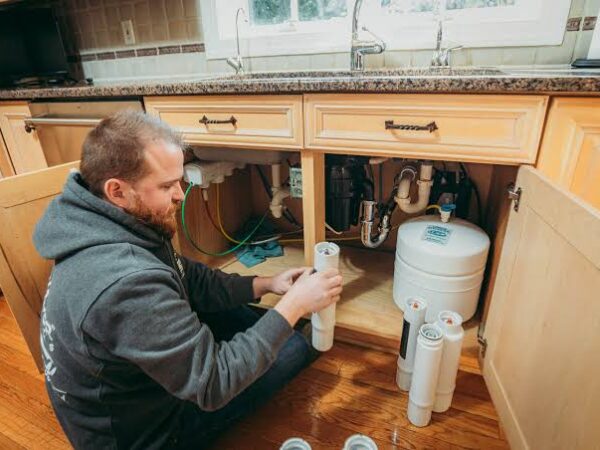
Experienced well water treatment services can help homeowners interpret laboratory findings, assess existing plumbing, and determine which treatment technologies are appropriate.
A professional assessment should also consider well pump capacity, incoming water pressure, and household consumption.
These details matter because filtration equipment needs suitable operating conditions to perform effectively.
Ask questions about why particular components are recommended and what maintenance they require.
A good treatment plan should make sense to you, financially and practically. There’s no reason to invest in equipment without understanding what it actually does.
How Water Softening Helps Protect Your Home
Hard water may not seem particularly troublesome until you consider how often you deal with its effects.
Your kettle needs frequent descaling, showerheads develop chalky deposits, and soap doesn’t always lather as readily as expected.
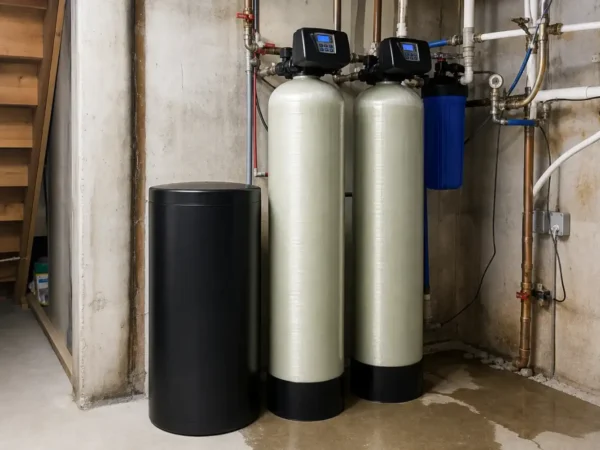
Conventional ion-exchange softeners reduce dissolved calcium and magnesium by exchanging them with sodium or, in compatible systems, potassium ions.
This process helps limit new mineral scale formation.
Over time, softer water may make bathroom cleaning easier and help reduce hardness-related deposits inside appliances.
However, softening won’t automatically remove existing damage or address every contaminant in your well.
If excessive iron is also present, dedicated pretreatment may be necessary to protect the softener and maintain dependable performance.
Creating a Treatment System That Works Together
Some homeowners purchase a filter for one problem, then add another piece of equipment when a different concern appears. Before long, the utility room becomes crowded with disconnected solutions.
A coordinated treatment arrangement often makes more practical sense.
Sediment filtration can help capture suspended particles, while dedicated iron removal equipment addresses specific iron-related concerns. Softening can then manage remaining hardness where appropriate.
Additional technologies may be necessary if laboratory testing identifies microbial or chemical contamination.
The installation sequence should reflect actual water chemistry and equipment requirements.
Every component needs a clear purpose. Otherwise, you may find yourself paying for replacement filters and maintenance without receiving meaningful additional benefits.
Taking Water Testing Seriously Throughout the Year
Minnesota and North Dakota experience considerable seasonal changes. Spring snowmelt, heavy rainfall, and flooding may affect vulnerable private wells.
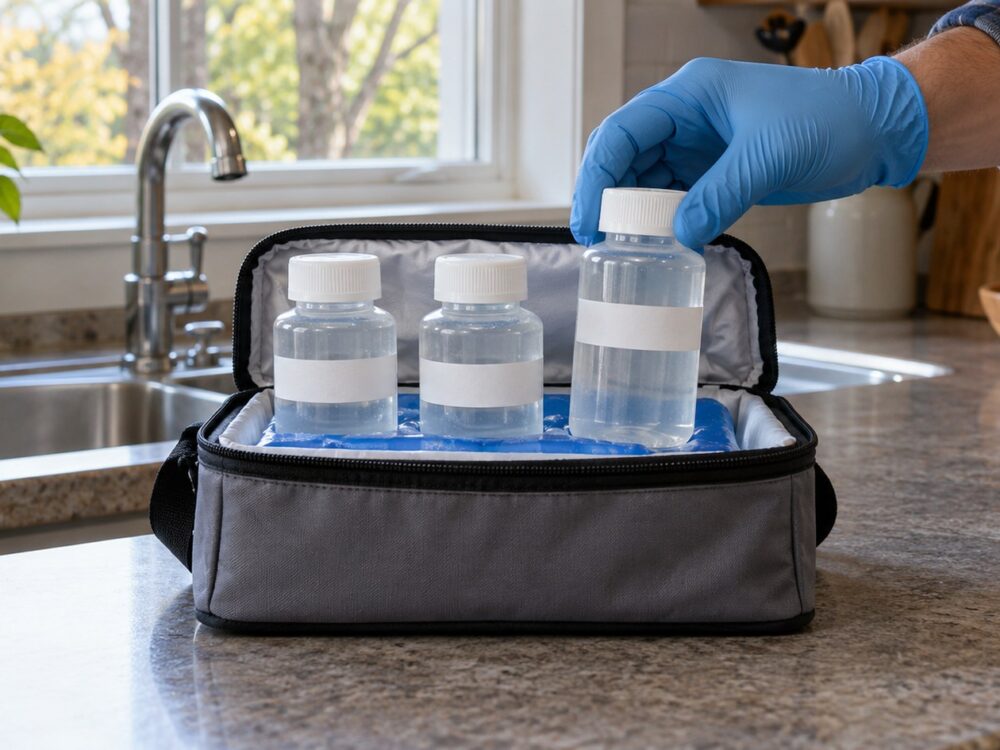
Regular laboratory testing helps homeowners monitor changes that might otherwise go unnoticed.
Arrange annual testing for common concerns such as bacteria and nitrate, along with additional testing based on local conditions and professional guidance.
Remember that clear water isn’t necessarily safe water.
If harmful contamination is suspected or confirmed, use a verified safe alternative for drinking and cooking until appropriate corrective measures and testing establish that the problem has been addressed.
Keeping previous testing results can also help identify changes in your groundwater quality over several years.
Enjoying Better Well Water Without Constant Frustration
Owning a private well should offer independence, not an endless list of cleaning and maintenance problems.
For homeowners throughout Moorhead, Fargo, and neighboring communities, reliable testing, suitable treatment equipment, and consistent maintenance can help address many recurring groundwater challenges.
The rewards often appear in familiar moments — washing white laundry, enjoying a warm shower, or spending less time removing stubborn deposits.
Your well is a valuable part of your property. Looking after it thoughtfully means protecting the water your family depends on every day.
And sometimes, the best household improvements aren’t particularly dramatic. They’re simply the ones that make life more comfortable, give you fewer things to worry about, and leave you with more time to enjoy your home.