When people think about improving their household water, they often picture a simple filter attached to the kitchen faucet. And sometimes, that’s all they need. But water quality can be more complicated than an unpleasant taste or a few mineral deposits around the bathroom sink.
Some households struggle with sediment, while others experience excessive hardness or concerns about microorganisms in their water supply.
Finding an effective solution means looking beyond the obvious symptoms. It involves understanding where your water comes from, what it contains, and which treatment methods can address those particular concerns.
From ultraviolet disinfection to customized filtration arrangements, modern technology offers several useful options. The important thing is bringing those options together in a way that makes practical sense for your property.
How Ultraviolet Technology Helps Address Microbial Concerns
Water can look perfectly clear and still contain microorganisms that are invisible to the naked eye. This is particularly important for households relying on private wells or other water sources that may be vulnerable to contamination.
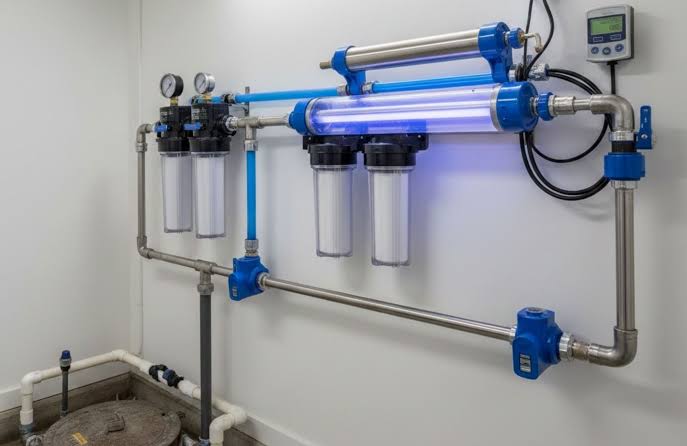
A properly planned UV disinfection system installation can help address microbial concerns by exposing passing water to ultraviolet light. When delivered at an appropriate dose, this light can inactivate susceptible bacteria, viruses, and other microorganisms by interfering with their ability to reproduce.
Unlike certain chemical disinfection methods, ultraviolet treatment doesn’t require adding a disinfectant to the water.
However, UV equipment has limitations. It doesn’t remove dissolved chemicals, mineral hardness, or suspended particles. Cloudy water can also interfere with effective disinfection, making appropriate pretreatment important.
Equipment sizing, continuous electricity, and regular lamp replacement all contribute to dependable performance.
Why Every Property Deserves an Individual Treatment Plan
Imagine two neighboring homes experiencing completely different water problems. One household struggles with reddish iron stains, while the other notices excessive mineral deposits inside its appliances.
Installing identical equipment in both properties wouldn’t necessarily make sense.
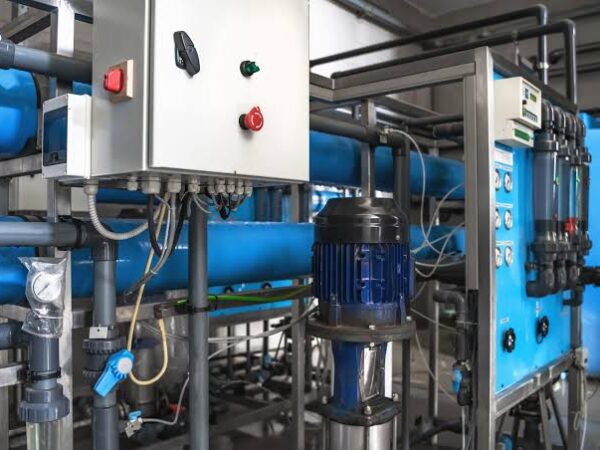
A custom water treatment installation allows homeowners to address specific concerns based on reliable testing, consumption patterns, available space, and existing plumbing conditions.
Some properties may benefit from sediment filtration followed by softening. Others could require specialized drinking water treatment or microbial disinfection.
The arrangement should reflect actual findings rather than assumptions.
A knowledgeable specialist can explain which treatment stages are necessary and how they should work together.
Sometimes, the most effective solution is relatively straightforward. Adding unnecessary equipment only increases expenses and creates additional maintenance responsibilities.
The Difference Professional Installation Can Make
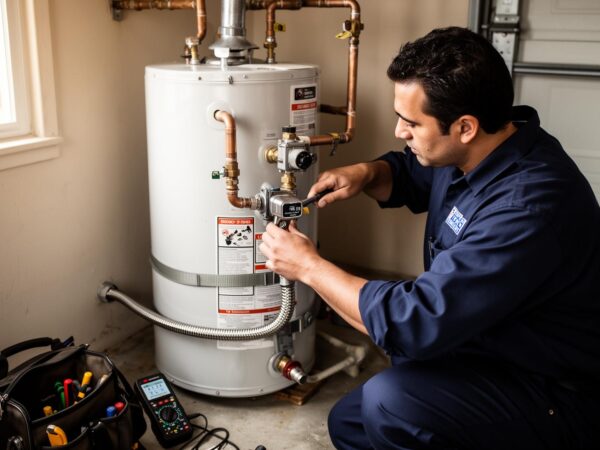
Buying high-quality equipment is important, but installation deserves just as much attention.
Even an advanced filtration unit may struggle to deliver its intended performance if water pressure is unsuitable, connections are poorly fitted, or the equipment is incorrectly configured.
Choosing professionally installed filtration systems can help property owners avoid these complications while ensuring equipment is positioned appropriately for future servicing.
Qualified installers should consider plumbing compatibility, drainage requirements, electrical connections, and accessibility.
They should also perform suitable operational checks, inspect connections for leaks, and explain maintenance requirements before completing the project.
These details might seem minor during installation. However, they become considerably more important when you’re relying on the equipment every single day.
Combining Filtration and Disinfection for Better Results
Different treatment technologies perform different jobs. Understanding how they complement one another can help homeowners make more informed decisions.
Sediment filters capture suspended particles, while carbon filtration can reduce particular chemical tastes and odors. Traditional softeners address excessive calcium and magnesium concentrations.
Ultraviolet equipment serves a different purpose by inactivating susceptible microorganisms.
In certain applications, combining these technologies provides a more comprehensive treatment approach.
For instance, removing suspended particles before ultraviolet treatment can help improve the conditions necessary for effective disinfection.
However, the correct arrangement depends on your water characteristics and equipment specifications.
There’s no universal combination that works perfectly for every property. Reliable testing and thoughtful system design remain essential.
Water Testing Should Always Come First
It’s tempting to purchase treatment equipment based on recommendations from friends or neighbors. Their experiences might be helpful, but your water conditions could be considerably different.
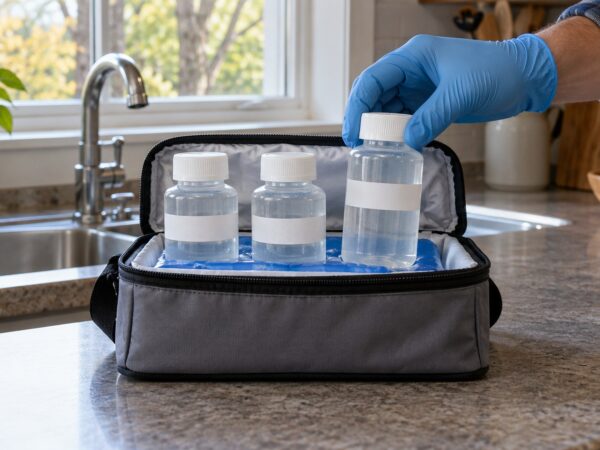
Appropriate testing reveals measurable information about mineral content, pH, microbial indicators, and other specific substances, depending on the selected analysis.
For private well owners, certified laboratory testing is especially important when investigating potential contamination.
Understanding these findings helps determine which treatment technologies deserve consideration.
It also provides a starting point for evaluating performance after installation.
Rather than relying on equipment advertisements alone, use reliable information to guide your investment.
Keeping Your Treatment Equipment Dependable
Water treatment equipment requires consistent care, even when everything appears to be functioning normally.
Ultraviolet lamps gradually lose effectiveness and require replacement according to manufacturer instructions. Their protective quartz sleeves may also need cleaning.
Filter cartridges have limited capacities, while traditional softeners require regeneration supplies.
Keep a simple record of maintenance dates and pay attention to equipment alarms or unexpected changes in performance.
If a disinfection system fails, follow appropriate water safety guidance until reliable operation has been restored.
Periodic water testing can help verify that treatment continues addressing the intended concerns.
A little ongoing attention is far better than discovering that neglected equipment hasn’t been performing as expected.
Creating a Home Where Better Water Comes Naturally
Improving household water quality isn’t about filling your utility room with complicated equipment. It’s about finding practical solutions that support everyday comfort and address genuine concerns.
Start with reliable testing, choose suitable technology, and give professional installation and regular maintenance the attention they deserve.
Whether you’re preparing breakfast, filling a reusable water bottle, or simply enjoying a glass of water after a tiring afternoon, knowing your treatment system is appropriately selected and maintained can bring greater confidence.
Better water should fit naturally into your life. With thoughtful planning, it can become one less thing you need to worry about.