A cold shower can certainly wake you up in the morning, but it’s rarely what you had planned. When the water suddenly turns lukewarm halfway through washing your hair, you start wondering whether someone has used all the hot water or if something is actually wrong with your heating equipment.
Most homeowners don’t give their hot water heaters much thought until they begin experiencing problems. These appliances work quietly behind the scenes, supplying the warm water needed for bathing, washing dishes, doing laundry, and countless other household activities.
When performance starts declining, knowing what to look for can help you make better maintenance decisions. Sometimes, a straightforward repair is enough. In other situations, investing in new equipment makes more financial sense.
Recognizing the Early Signs of Water Heater Trouble
Water heating equipment doesn’t always stop working without warning. Often, there are subtle changes in performance that homeowners gradually become accustomed to.
Perhaps the water takes longer to heat, or you notice unusual popping sounds coming from the storage tank. Your showers might become shorter because the available hot water seems to run out more quickly.
These symptoms could indicate sediment accumulation, faulty heating components, or other operational problems.
Discolored hot water and moisture around the equipment also deserve attention. While some leaks originate from replaceable plumbing connections, others may indicate deterioration within the tank itself.
Rather than ignoring these warning signs, arrange a professional inspection. Identifying problems early may help prevent unexpected breakdowns and unnecessary property damage.
Should You Repair Your Water Heater or Buy a New One?
Nobody particularly enjoys spending money on household equipment, especially when the expense arrives unexpectedly.
When considering repairing or replacing your current water heating system, take into account its age, repair history, energy efficiency, and overall physical condition.
A relatively new unit with a faulty heating element or thermostat might only require a targeted repair. However, an older system experiencing repeated breakdowns could become increasingly expensive to maintain.
Significant tank corrosion or leakage from the tank itself generally makes replacement necessary.
Consider the long-term costs rather than focusing entirely on the immediate repair estimate. Spending money on equipment that may fail again shortly afterward isn’t always the most economical choice.
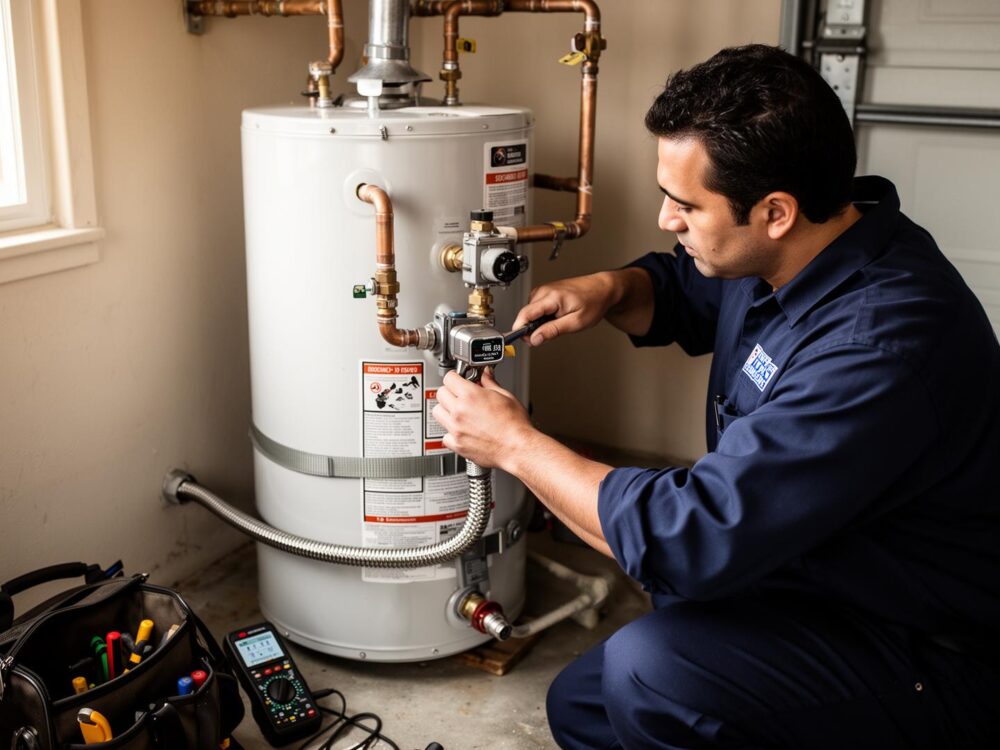
A qualified plumbing technician can assess the system and explain which option offers better practical value.
Finding a Water Heater That Matches Your Lifestyle
Every household has different hot water requirements. A family with three teenagers probably uses considerably more hot water than someone living alone.
Choosing the right hot water heater involves understanding these consumption patterns alongside installation requirements, available space, and household budget.
Traditional storage models keep a reserve of heated water available throughout the day. Tankless units, meanwhile, heat water as it flows through the equipment.
Both designs have advantages and limitations.
Storage models are often less expensive to install when replacing similar equipment. Tankless systems can reduce standby energy losses and save space, although installation may require additional plumbing, electrical, or gas supply modifications.
Think about your busiest household routines before deciding. The equipment should accommodate realistic demand rather than simply looking impressive on paper.
How Hard Water Affects Heating Equipment
Here’s something homeowners occasionally overlook: the quality of incoming water can influence how well heating equipment performs.
Hard water contains elevated concentrations of dissolved minerals, particularly calcium and magnesium. When heated, these minerals can form deposits inside tanks and heat exchangers.
Over time, excessive accumulation may interfere with heat transfer and increase maintenance requirements.
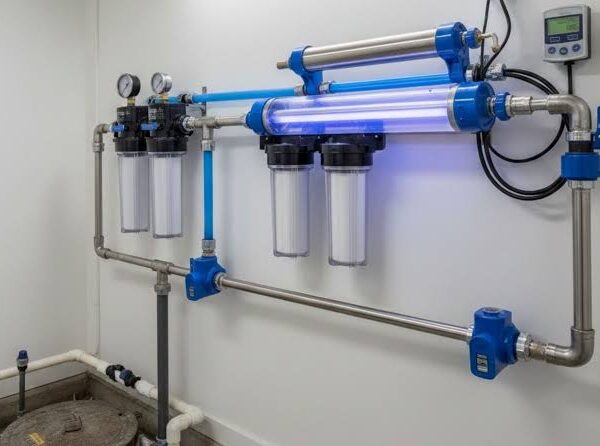
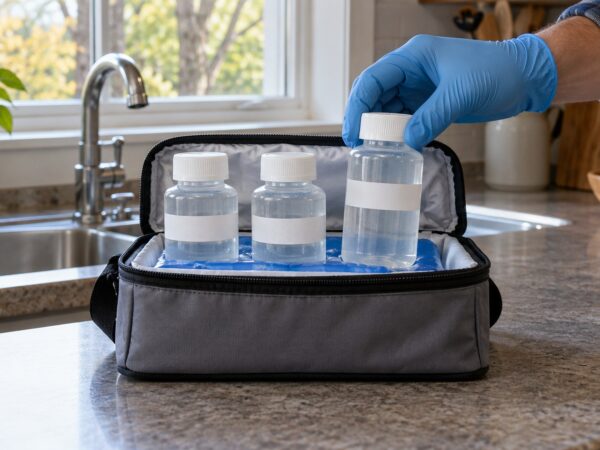
If you’re constantly removing chalky deposits from faucets or noticing mineral buildup inside your kettle, arranging a water hardness test could be worthwhile.
Suitable water softening equipment may help limit future scale formation. However, existing deposits might still require appropriate professional servicing.
Addressing water quality alongside equipment maintenance can help protect your investment over the long term.
Understanding the Real Cost of Water Heating
The purchase price of a new water heating system only tells part of the story.
Energy consumption, installation expenses, maintenance requirements, and replacement component availability all contribute to the overall cost of ownership.
An inexpensive model might initially appear attractive, but equipment with higher operating expenses could cost more over several years.
Compare energy efficiency ratings and ask about warranty coverage before making a decision.
It’s also worth discussing whether your existing plumbing and utility connections can accommodate the selected equipment.
Unexpected installation modifications can quickly increase the overall project cost, so understanding these requirements beforehand is helpful.
Regular Maintenance Can Prevent Unpleasant Surprises
Water heating equipment doesn’t typically require constant attention, but routine servicing matters.
Storage tanks may require periodic flushing, while tankless units may need descaling according to manufacturer recommendations and local water conditions.
Pay attention to unusual noises, fluctuating temperatures, and visible moisture around connections.
Keep your equipment manuals, installation records, and warranty information somewhere accessible.
Gas and electrical repairs should always be handled by appropriately qualified professionals. Attempting complicated repairs without the necessary knowledge can create safety risks and potentially damage the equipment further.
A little preventative attention can help keep your system operating reliably.
Comfort Begins With Dependable Hot Water
There’s something genuinely satisfying about coming home after a tiring day and enjoying a comfortably warm shower without worrying about whether the water will suddenly turn cold.
Maintaining your heating equipment, addressing developing problems promptly, and making informed replacement decisions can help preserve that everyday comfort.
You don’t necessarily need the most advanced system available. What matters is finding equipment that fits your household, operates efficiently, and receives appropriate care.
Good plumbing rarely attracts much attention when everything works properly. And honestly, that’s exactly how most homeowners would prefer it. Dependable hot water should be an ordinary part of life, not another problem waiting to interrupt your day.